
Can We Put That Data into AI? A Public-Sector Privacy Reality Check
Before putting case files, correspondence or service-user information into an AI tool, public bodies need answers on lawful purpose, minimisation, vendor access and…
Indicative, from main CPV
2,110 coded · 81 unclassified
By OCDS release tag
Counts are notices, not contracts.
Seven rolling 24h windows · UTC
Left: earliest · right: most recent publication interval
Ranked by published notices
Window: 12 Nov 2026–19 Nov 2026 · Updated 28 Nov, 12:15 UTC
Before putting case files, correspondence or service-user information into an AI tool, public bodies need answers on lawful purpose, minimisation, vendor access and…

Customer Relationship Management (CRM) tools have become indispensable for businesses in today’s competitive landscape. By streamlining interactions with customers, suppliers, and internal teams,…

Process mining has become a transformative technology for analysing and improving operational processes across various sectors, including procurement and supply chain management. In…
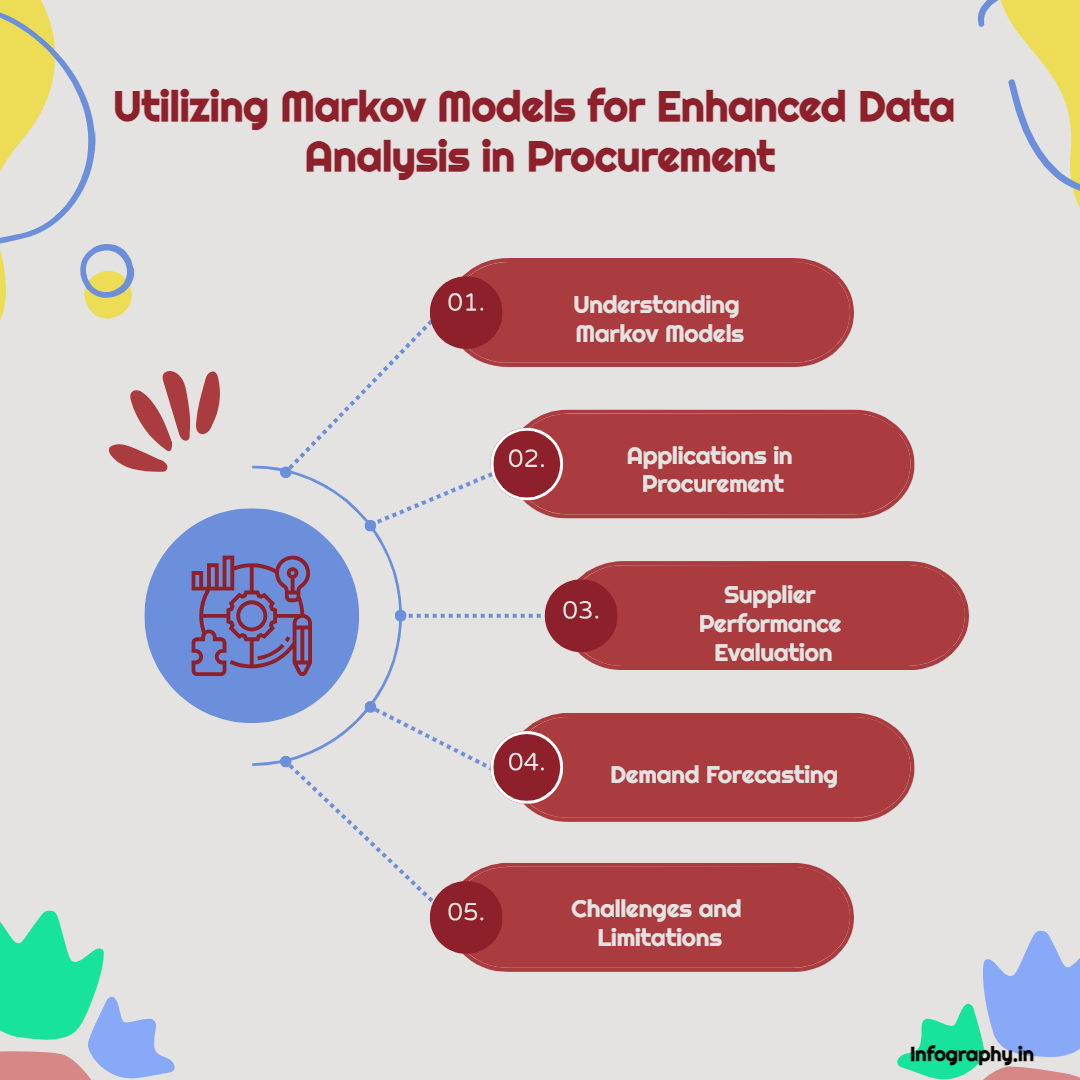
The rapid evolution of data analysis and machine learning in modern industries has given rise to advanced methods of interpreting, forecasting, and optimizing…

The Algorithmic Transparency Recording Standard is more than a publication form. Used well, it helps people understand why an algorithm is there and…

Over the past two decades, the gap between what people earn and what they need to live comfortably has grown wider. On the…

The Fuzzy Lookup Add-In for Excel performs fuzzy matching of textual data in Excel. Its a free excel plugin and is available to…

Risk stratification has long been heralded as a promising approach in healthcare, aiming to identify patients at varying levels of risk for adverse…

Data has become a cornerstone in almost every sector, and public procurement is no exception. In the UK, public procurement is heavily regulated,…
Artificial intelligence is transforming how organisations operate, but deploying AI successfully requires more than selecting a model or building an application. Businesses must also address AI governance, information security, data protection, regulatory compliance, operational risk and long-term accountability.
View the book