
An AI Management System That Actually Works: Building the Operating Model
A practical blueprint for an AI management system, from its scope and decision rights to controlled evidence, management reviews and continuous improvement.
Older snapshot — new data available after next cron refresh.
Indicative, from main CPV
2,110 coded · 81 unclassified
By OCDS release tag
Counts are notices, not contracts.
Seven rolling 24h windows · UTC
Left: earliest · right: most recent publication interval
Ranked by published notices
Window: 12 Nov 2026–19 Nov 2026 · Updated 20 Nov, 00:15 UTC
A practical blueprint for an AI management system, from its scope and decision rights to controlled evidence, management reviews and continuous improvement.

As the UK healthcare sector strives to reduce its environmental impact, sustainable procurement is emerging as a key area of focus. By making…
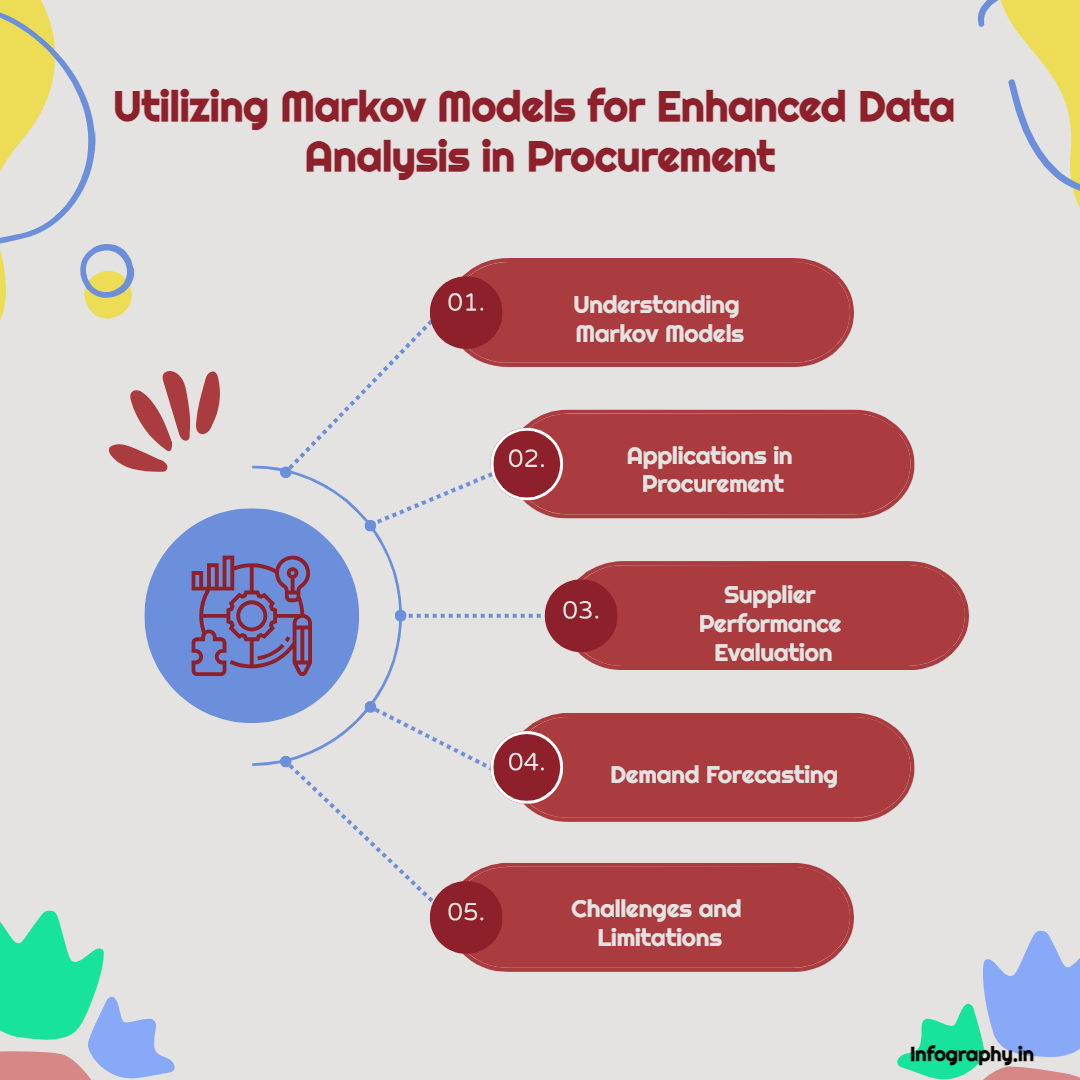
The rapid evolution of data analysis and machine learning in modern industries has given rise to advanced methods of interpreting, forecasting, and optimizing…

This article analyses the key findings from the Institute for Government report titled Improving Accountability in Government Procurement, which explores the size and…

1. Introduction This report provides a comprehensive, data-driven analysis of the National Health Service (NHS) in England, examining its current operational performance, workforce…

Introduction The National Health Service (NHS) is a cornerstone of the United Kingdom’s public sector, providing healthcare services to millions. As the NHS…

The Algorithmic Transparency Recording Standard is more than a publication form. Used well, it helps people understand why an algorithm is there and…

A technical operating guide for managing live AI systems, including logging, release control, model drift, incident response, rollback and safe retirement.

Financial markets rarely get into serious trouble because of one isolated event. More often, problems emerge when several pressures begin developing at the…
Artificial intelligence is transforming how organisations operate, but deploying AI successfully requires more than selecting a model or building an application. Businesses must also address AI governance, information security, data protection, regulatory compliance, operational risk and long-term accountability.
View the book