
Beyond the Pilot: Proving That AI Delivers Public Value
Public-sector AI needs to demonstrate real outcomes—not merely faster outputs. A strong assurance approach tracks quality, fairness, cost, staff experience and sustainability.
Indicative, from main CPV
2,110 coded · 81 unclassified
By OCDS release tag
Counts are notices, not contracts.
Seven rolling 24h windows · UTC
Left: earliest · right: most recent publication interval
Ranked by published notices
Window: 12 Nov 2026–19 Nov 2026 · Updated 28 Nov, 12:15 UTC
Public-sector AI needs to demonstrate real outcomes—not merely faster outputs. A strong assurance approach tracks quality, fairness, cost, staff experience and sustainability.

Risk stratification has long been heralded as a promising approach in healthcare, aiming to identify patients at varying levels of risk for adverse…

Blade Runner, directed by Ridley Scott and released in 1982, is a film that has transcended its own medium to leave an…

Over the past two decades, the gap between what people earn and what they need to live comfortably has grown wider. On the…

Human in the loop AI is going to be the difference between “useful assistant” and “future PACAC inquiry exhibit”. Under the Procurement Act…
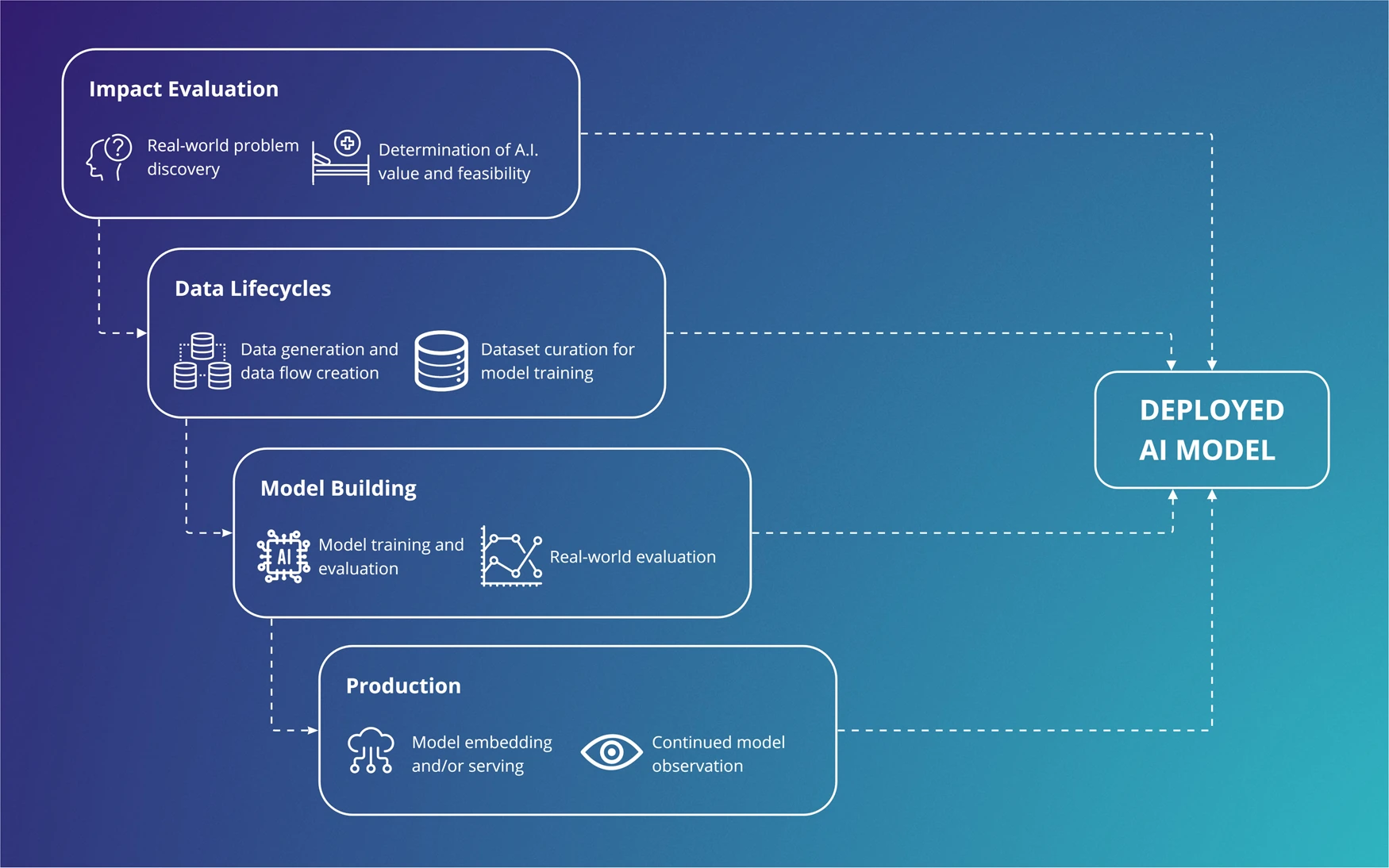
Vertically integrated artificial intelligence (AI) development model, which breaks down the traditional barriers between different supply chain components, aiming for a more streamlined…

The NHS’s new 10‑Year Health Plan for England is ambitious, radical and long overdue. It pledges to move from reactive care to proactive…

In the era of big data, organisations are increasingly reliant on spend analytics to make informed decisions and drive efficiencies. Spend analytics involves…

Explore how the UK public and NHS staff view digital technology and AI in healthcare, including trust, safety concerns and the role of…
Artificial intelligence is transforming how organisations operate, but deploying AI successfully requires more than selecting a model or building an application. Businesses must also address AI governance, information security, data protection, regulatory compliance, operational risk and long-term accountability.
View the book