
PPN 017 and the AI-Written Tender: What Public Buyers Really Need to Know
What Procurement Policy Note 017 actually asks of central government buyers, and how to investigate AI use proportionately without confusing disclosure with disqualification.
Indicative, from main CPV
2,110 coded · 81 unclassified
By OCDS release tag
Counts are notices, not contracts.
Seven rolling 24h windows · UTC
Left: earliest · right: most recent publication interval
Ranked by published notices
Window: 12 Nov 2026–19 Nov 2026 · Updated 28 Nov, 12:15 UTC
What Procurement Policy Note 017 actually asks of central government buyers, and how to investigate AI use proportionately without confusing disclosure with disqualification.

Once an AI service is bought, the real governance work begins: managing model updates, data use, performance evidence, incident response and exit arrangements.

In the public sector, managing purchase order data is a critical task. With numerous descriptions, suppliers, and item codes, maintaining accuracy and consistency…

The Algorithmic Transparency Recording Standard is more than a publication form. Used well, it helps people understand why an algorithm is there and…

As the UK healthcare sector strives to reduce its environmental impact, sustainable procurement is emerging as a key area of focus. By making…

Public-sector AI fairness requires more than a bias test. It must account for unequal data, accessibility, service design and the lived experience of…

Introduction: The Importance of Inventory Management in NHS Trusts In the ever-evolving landscape of healthcare, managing resources efficiently is critical for delivering high-quality…

Introduction The National Health Service (NHS) is a cornerstone of the United Kingdom’s public sector, providing healthcare services to millions. As the NHS…
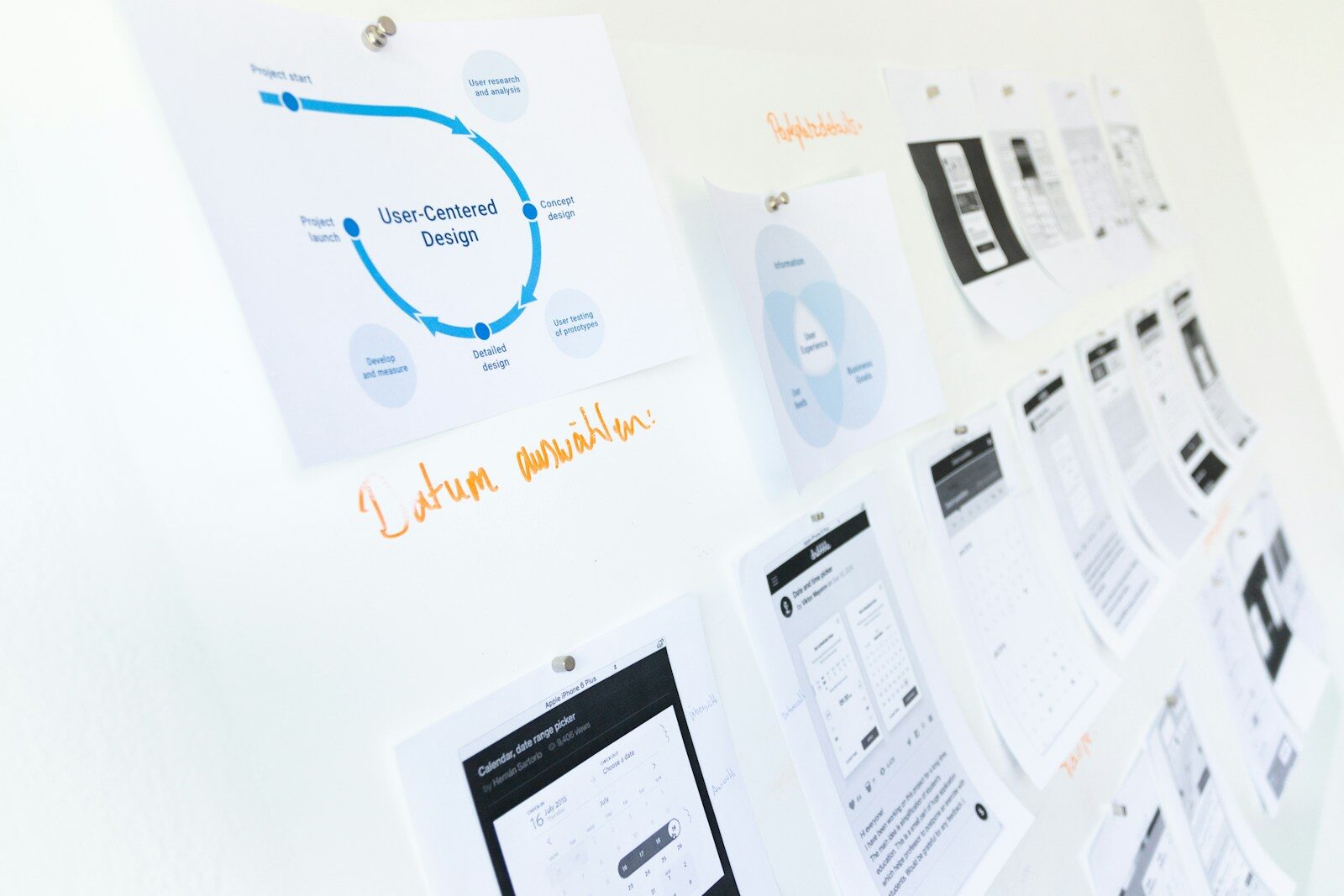
How public-sector teams can build evaluation sets, set release thresholds and test hallucination, retrieval, security and human review before using generative AI.
Artificial intelligence is transforming how organisations operate, but deploying AI successfully requires more than selecting a model or building an application. Businesses must also address AI governance, information security, data protection, regulatory compliance, operational risk and long-term accountability.
View the book