
Not All AI Is High Risk: Designing a Defensible Risk-Tiering Method
A practical method for classifying AI use cases by their real-world impact, with example tiers, escalation triggers and a worked public-service scenario.
Indicative, from main CPV
2,110 coded · 81 unclassified
By OCDS release tag
Counts are notices, not contracts.
Seven rolling 24h windows · UTC
Left: earliest · right: most recent publication interval
Ranked by published notices
Window: 12 Nov 2026–19 Nov 2026 · Updated 28 Nov, 12:15 UTC
A practical method for classifying AI use cases by their real-world impact, with example tiers, escalation triggers and a worked public-service scenario.
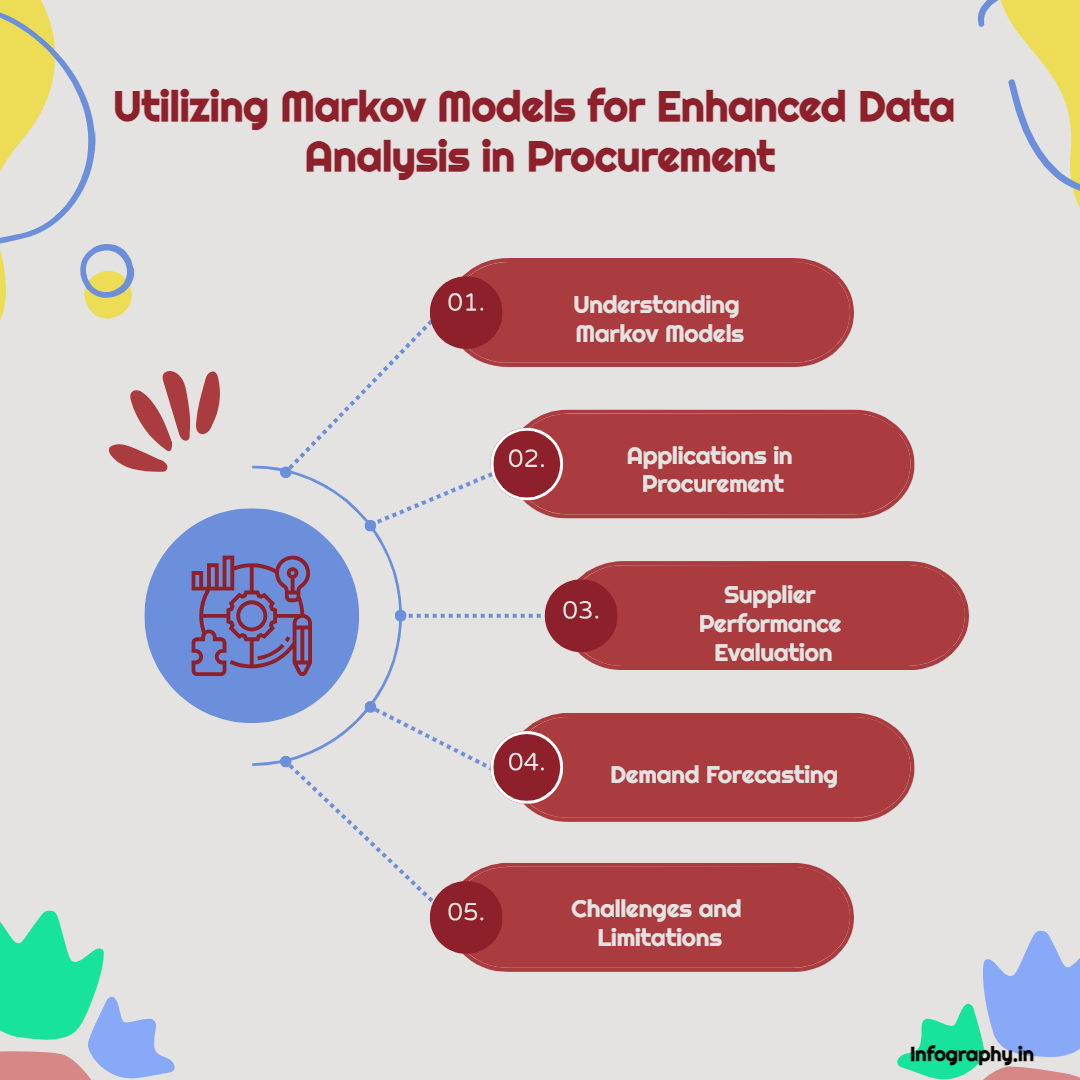
The rapid evolution of data analysis and machine learning in modern industries has given rise to advanced methods of interpreting, forecasting, and optimizing…

Introduction The National Health Service (NHS) is a cornerstone of the United Kingdom’s public sector, providing healthcare services to millions. As the NHS…
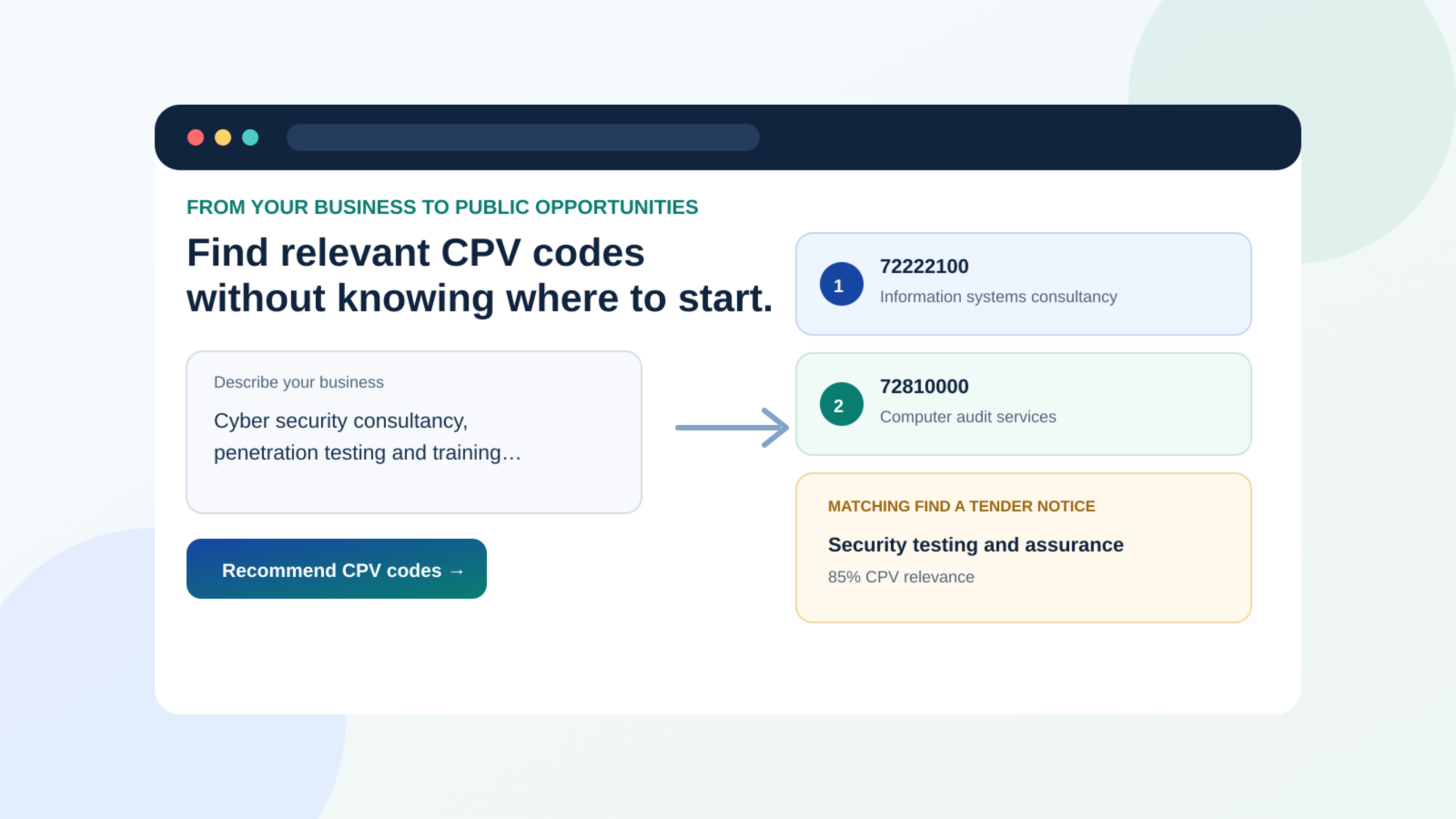
The UK public sector represents one of the country’s largest commercial markets, yet it is often presented to suppliers through classifications, notice structures…

Once an AI service is bought, the real governance work begins: managing model updates, data use, performance evidence, incident response and exit arrangements.

AI security is not simply a password and a vendor contract. Public organisations need controls for untrusted content, data exposure, connected tools and…

The Fuzzy Lookup Add-In for Excel performs fuzzy matching of textual data in Excel. Its a free excel plugin and is available to…

Explore how the UK public and NHS staff view digital technology and AI in healthcare, including trust, safety concerns and the role of…

1. Introduction This report provides a comprehensive, data-driven analysis of the National Health Service (NHS) in England, examining its current operational performance, workforce…
Artificial intelligence is transforming how organisations operate, but deploying AI successfully requires more than selecting a model or building an application. Businesses must also address AI governance, information security, data protection, regulatory compliance, operational risk and long-term accountability.
View the book