
Ethical Considerations of AI and ChatGPT in Procurement
Introduction The National Health Service (NHS) is a cornerstone of the United Kingdom’s public sector, providing healthcare services to millions. As the NHS…
Older snapshot — new data available after next cron refresh.
Indicative, from main CPV
2,110 coded · 81 unclassified
By OCDS release tag
Counts are notices, not contracts.
Seven rolling 24h windows · UTC
Left: earliest · right: most recent publication interval
Ranked by published notices
Window: 12 Nov 2026–19 Nov 2026 · Updated 20 Nov, 00:15 UTC
Introduction The National Health Service (NHS) is a cornerstone of the United Kingdom’s public sector, providing healthcare services to millions. As the NHS…

The Fuller Stocktake Report, commissioned by NHS England, provides a comprehensive review of the current state of primary care integration within the UK’s…

AI use across NHS organisations is likely to be more widespread than many leaders realise. Staff are already experimenting with tools that can…

A practical method for classifying AI use cases by their real-world impact, with example tiers, escalation triggers and a worked public-service scenario.

Human in the loop AI is going to be the difference between “useful assistant” and “future PACAC inquiry exhibit”. Under the Procurement Act…

Public-sector AI needs to demonstrate real outcomes—not merely faster outputs. A strong assurance approach tracks quality, fairness, cost, staff experience and sustainability.

The AI-Assisted Discharge Summary (AI-Assisted DSUM) is a technological innovation aimed at improving the efficiency of hospital discharge summaries within the NHS. Using…

In the rapidly evolving world of artificial intelligence, the tools at our fingertips are nothing short of revolutionary. ChatGPT, among others, has democratized…
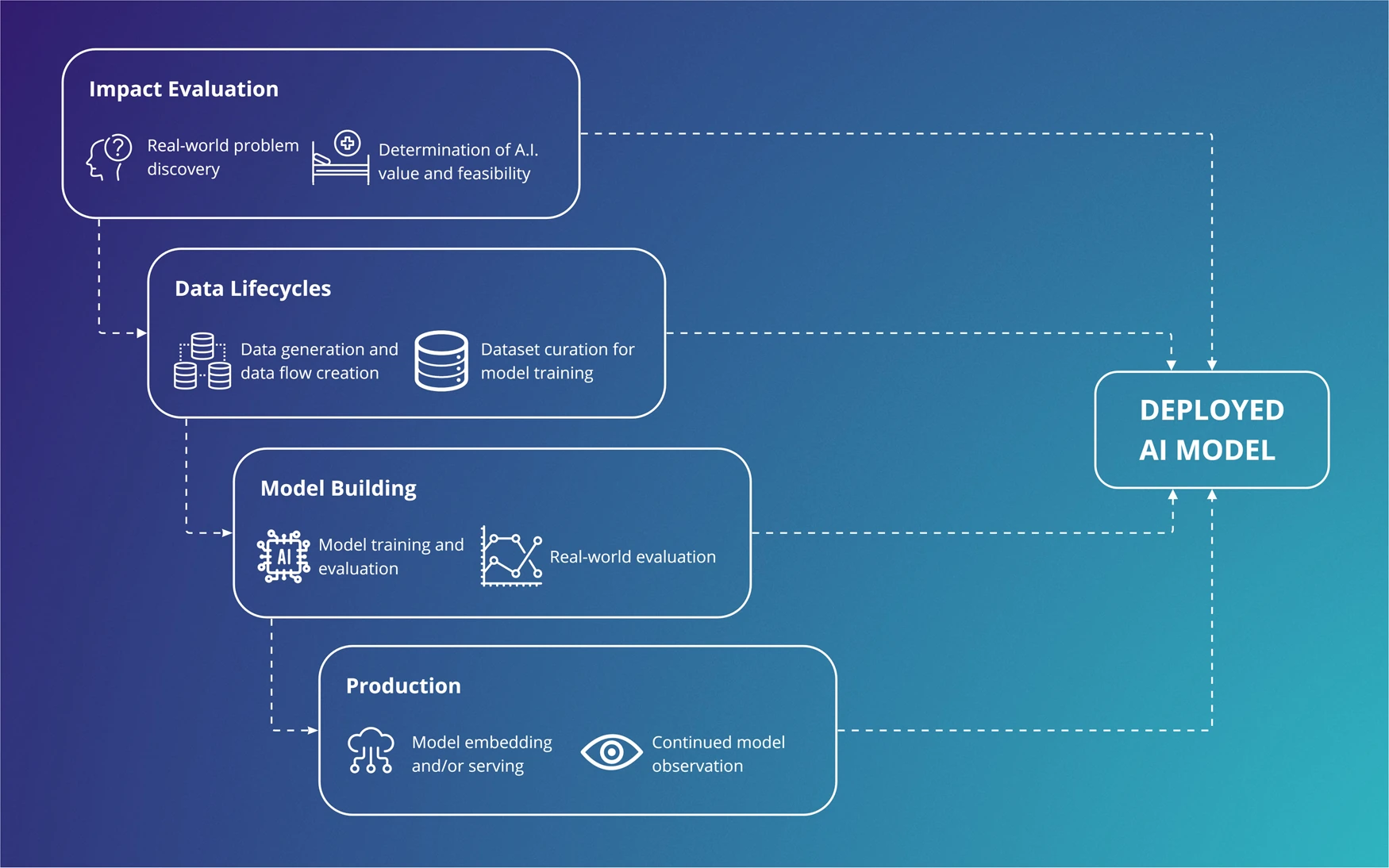
Vertically integrated artificial intelligence (AI) development model, which breaks down the traditional barriers between different supply chain components, aiming for a more streamlined…
Artificial intelligence is transforming how organisations operate, but deploying AI successfully requires more than selecting a model or building an application. Businesses must also address AI governance, information security, data protection, regulatory compliance, operational risk and long-term accountability.
View the book