
The Public-Sector AI Governance Toolkit: Seven Records Worth Keeping
Seven usable governance records and the fields each should contain, designed for public bodies that need control without creating a new bureaucracy.
Indicative, from main CPV
2,110 coded · 81 unclassified
By OCDS release tag
Counts are notices, not contracts.
Seven rolling 24h windows · UTC
Left: earliest · right: most recent publication interval
Ranked by published notices
Window: 12 Nov 2026–19 Nov 2026 · Updated 28 Nov, 12:15 UTC
Seven usable governance records and the fields each should contain, designed for public bodies that need control without creating a new bureaucracy.

Bayesian probability is a fascinating and powerful concept within the world of statistics and decision-making. Named after the 18th-century mathematician Thomas Bayes, this…

Data has become a cornerstone in almost every sector, and public procurement is no exception. In the UK, public procurement is heavily regulated,…

High blood pressure affects millions of people across the UK, but for some, it is a symptom of an underlying hormonal condition that…
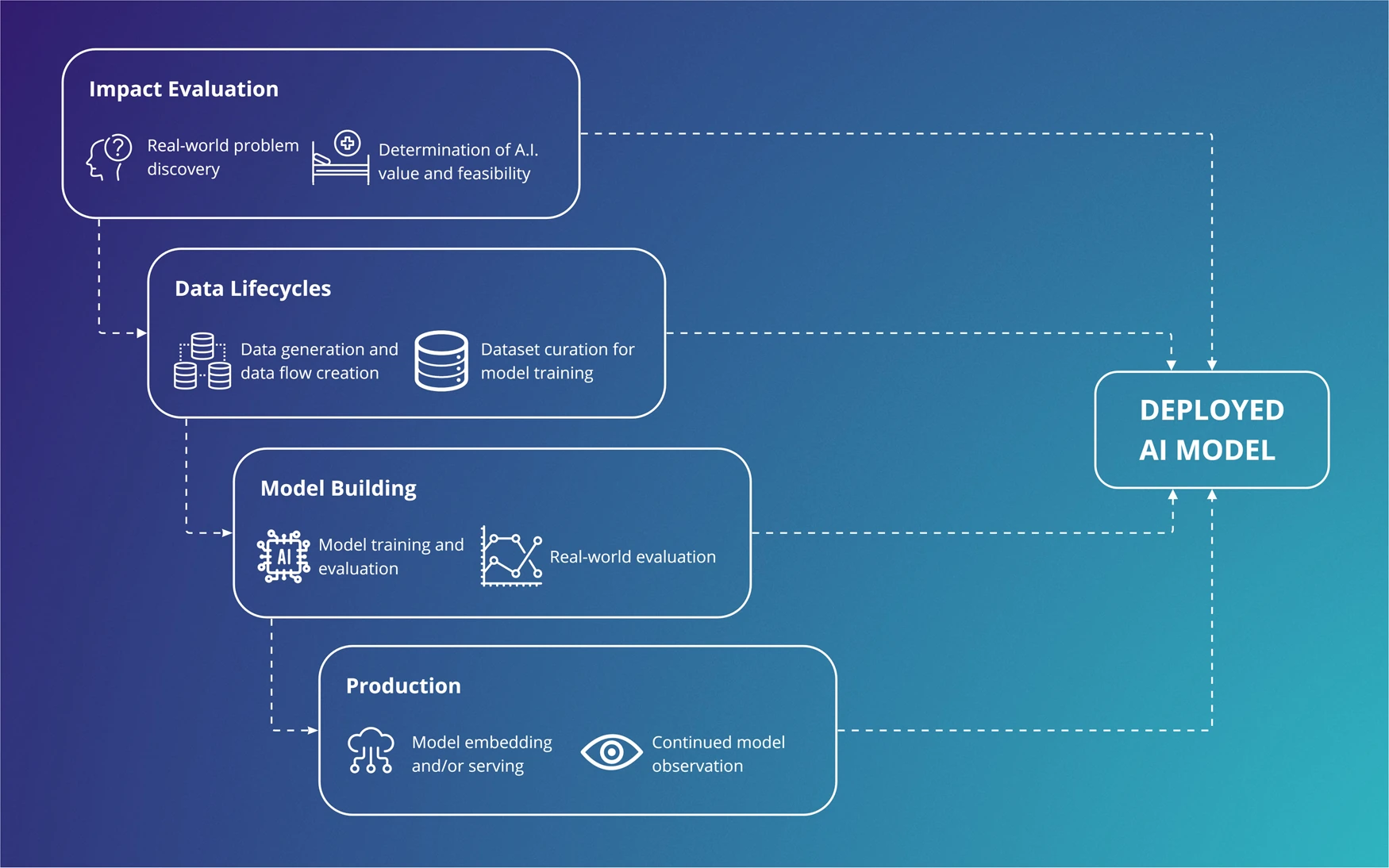
Vertically integrated artificial intelligence (AI) development model, which breaks down the traditional barriers between different supply chain components, aiming for a more streamlined…

The Fuller Stocktake Report, commissioned by NHS England, provides a comprehensive review of the current state of primary care integration within the UK’s…

In the public sector, managing purchase order data is a critical task. With numerous descriptions, suppliers, and item codes, maintaining accuracy and consistency…

Artificial intelligence is quickly becoming part of the conversation in almost every workplace. In procurement and the public sector, it is increasingly positioned…

This article analyses the key findings from the Institute for Government report titled Improving Accountability in Government Procurement, which explores the size and…
Artificial intelligence is transforming how organisations operate, but deploying AI successfully requires more than selecting a model or building an application. Businesses must also address AI governance, information security, data protection, regulatory compliance, operational risk and long-term accountability.
View the book