
Risk Stratification: A Tool Falling Short in Real-World Impact
Risk stratification has long been heralded as a promising approach in healthcare, aiming to identify patients at varying levels of risk for adverse…
Indicative, from main CPV
2,110 coded · 81 unclassified
By OCDS release tag
Counts are notices, not contracts.
Seven rolling 24h windows · UTC
Left: earliest · right: most recent publication interval
Ranked by published notices
Window: 12 Nov 2026–19 Nov 2026 · Updated 28 Nov, 12:15 UTC
Risk stratification has long been heralded as a promising approach in healthcare, aiming to identify patients at varying levels of risk for adverse…

Seven usable governance records and the fields each should contain, designed for public bodies that need control without creating a new bureaucracy.

The AI-Assisted Discharge Summary (AI-Assisted DSUM) is a technological innovation aimed at improving the efficiency of hospital discharge summaries within the NHS. Using…

The National Health Service (NHS) stands as a testament to the power of public health. Its scale and reach mean it deals with…

Data entry errors have long been a major concern in the procurement industry, leading to inefficiencies, delays, and additional costs. However, the implementation…

This article analyses the key findings from the Institute for Government report titled Improving Accountability in Government Procurement, which explores the size and…
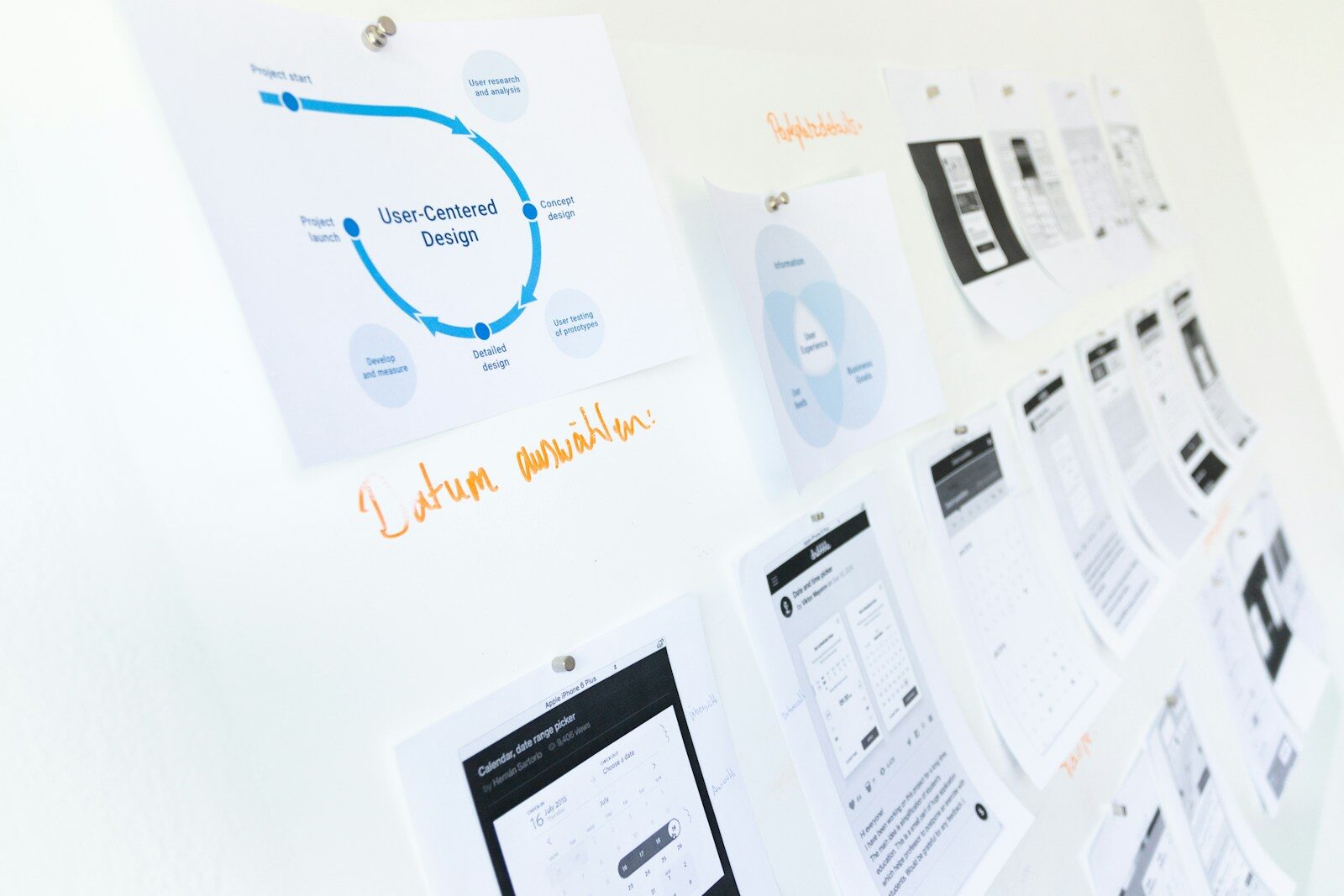
How public-sector teams can build evaluation sets, set release thresholds and test hallucination, retrieval, security and human review before using generative AI.

Searching through a large procurement catalogue can be daunting – especially in the UK public sector where naming conventions vary widely. The NHS…

Crafting the right prompt is both an art and a science. Large language models are incredibly powerful, but they aren’t mind readers –…
Artificial intelligence is transforming how organisations operate, but deploying AI successfully requires more than selecting a model or building an application. Businesses must also address AI governance, information security, data protection, regulatory compliance, operational risk and long-term accountability.
View the book