
Risk Stratification: A Tool Falling Short in Real-World Impact
Risk stratification has long been heralded as a promising approach in healthcare, aiming to identify patients at varying levels of risk for adverse…
Older snapshot — new data available after next cron refresh.
Indicative, from main CPV
2,110 coded · 81 unclassified
By OCDS release tag
Counts are notices, not contracts.
Seven rolling 24h windows · UTC
Left: earliest · right: most recent publication interval
Ranked by published notices
Window: 12 Nov 2026–19 Nov 2026 · Updated 28 Nov, 12:15 UTC
Risk stratification has long been heralded as a promising approach in healthcare, aiming to identify patients at varying levels of risk for adverse…

The AI-Assisted Discharge Summary (AI-Assisted DSUM) is a technological innovation aimed at improving the efficiency of hospital discharge summaries within the NHS. Using…
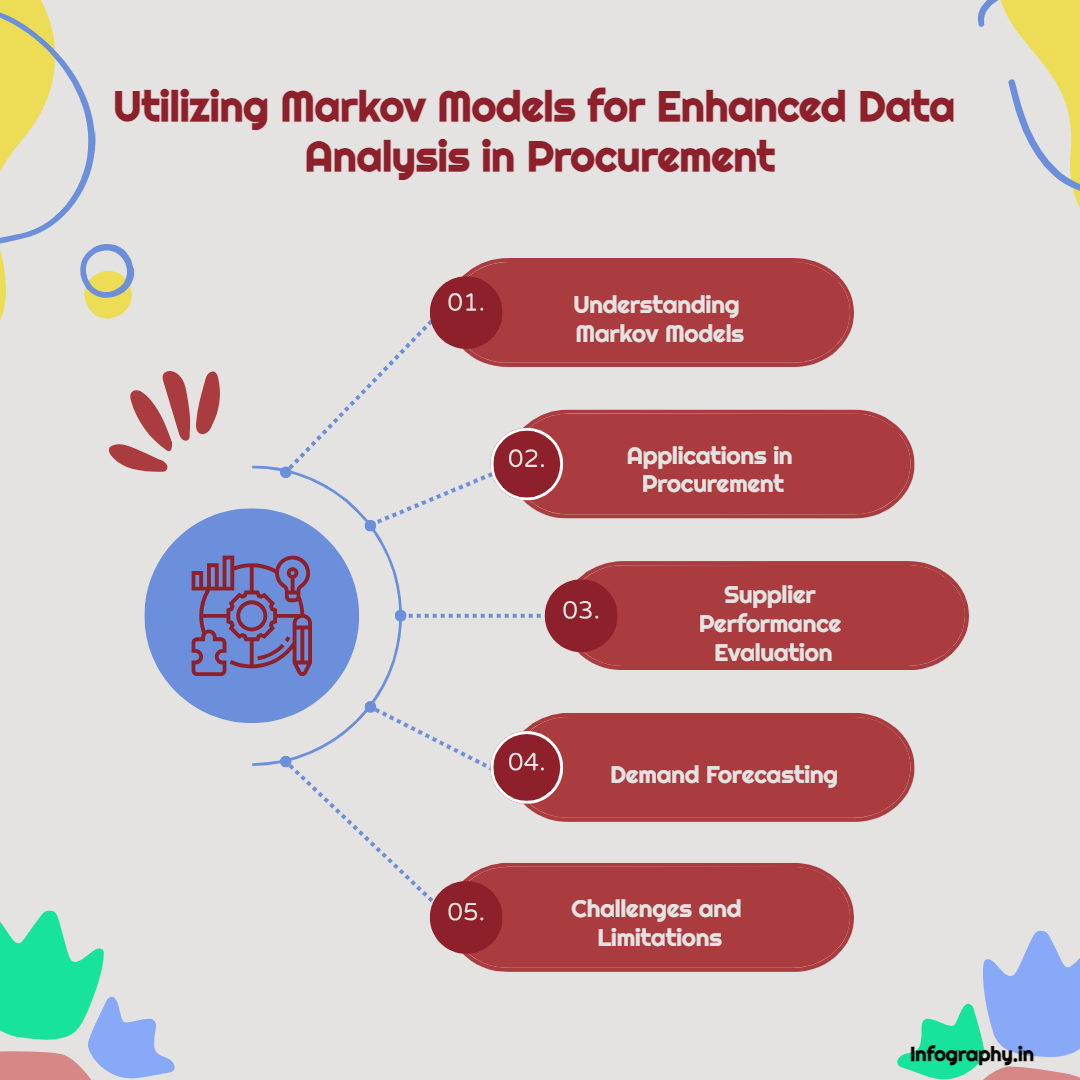
The rapid evolution of data analysis and machine learning in modern industries has given rise to advanced methods of interpreting, forecasting, and optimizing…

Human-in-the-loop governance fails when staff cannot question, override or explain AI advice. Here is what meaningful oversight looks like in a public service.

A practical method for classifying AI use cases by their real-world impact, with example tiers, escalation triggers and a worked public-service scenario.

Data has become a cornerstone in almost every sector, and public procurement is no exception. In the UK, public procurement is heavily regulated,…

NHS procurement is fraught with challenges ranging from complex regulatory frameworks and budget constraints to supply chain disruptions and technological limitations. The introduction…

In the rapidly evolving world of artificial intelligence, the tools at our fingertips are nothing short of revolutionary. ChatGPT, among others, has democratized…

Explore how the UK public and NHS staff view digital technology and AI in healthcare, including trust, safety concerns and the role of…
Artificial intelligence is transforming how organisations operate, but deploying AI successfully requires more than selecting a model or building an application. Businesses must also address AI governance, information security, data protection, regulatory compliance, operational risk and long-term accountability.
View the book