
Not All AI Is High Risk: Designing a Defensible Risk-Tiering Method
A practical method for classifying AI use cases by their real-world impact, with example tiers, escalation triggers and a worked public-service scenario.
Older snapshot — new data available after next cron refresh.
Indicative, from main CPV
2,110 coded · 81 unclassified
By OCDS release tag
Counts are notices, not contracts.
Seven rolling 24h windows · UTC
Left: earliest · right: most recent publication interval
Ranked by published notices
Window: 12 Nov 2026–19 Nov 2026 · Updated 20 Nov, 00:15 UTC
A practical method for classifying AI use cases by their real-world impact, with example tiers, escalation triggers and a worked public-service scenario.
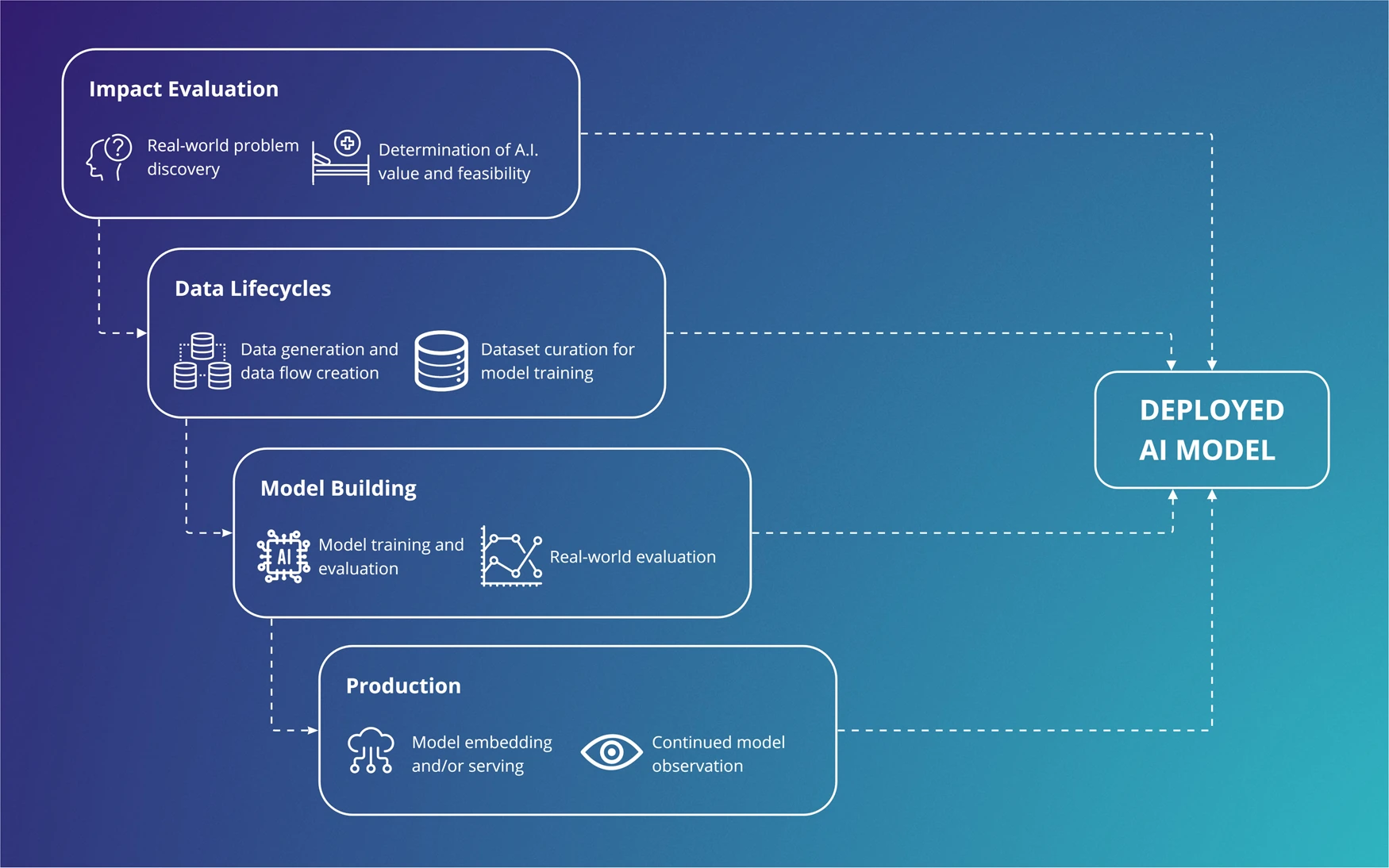
Vertically integrated artificial intelligence (AI) development model, which breaks down the traditional barriers between different supply chain components, aiming for a more streamlined…

Over the past two decades, the gap between what people earn and what they need to live comfortably has grown wider. On the…

Searching through a large procurement catalogue can be daunting – especially in the UK public sector where naming conventions vary widely. The NHS…

In today’s data-driven business landscape, organisations are flooded with more data than ever before. From transaction histories to customer behaviour patterns, data can…

Introduction The National Health Service (NHS) is a cornerstone of the United Kingdom’s public sector, providing healthcare services to millions. As the NHS…

Introduction: The Challenge of Funding A&E Services Accident and Emergency (A&E) departments in the NHS are under constant pressure. Every year, millions of…

Cryptography, the science of securing communication and data from adversaries, has been an essential part of human history for millennia. In today’s digital…

Explore how the UK public and NHS staff view digital technology and AI in healthcare, including trust, safety concerns and the role of…
Artificial intelligence is transforming how organisations operate, but deploying AI successfully requires more than selecting a model or building an application. Businesses must also address AI governance, information security, data protection, regulatory compliance, operational risk and long-term accountability.
View the book