
A Fair Algorithm Is Not Enough: Equality, Access and the People Missing from the Data
Public-sector AI fairness requires more than a bias test. It must account for unequal data, accessibility, service design and the lived experience of…
Indicative, from main CPV
2,110 coded · 81 unclassified
By OCDS release tag
Counts are notices, not contracts.
Seven rolling 24h windows · UTC
Left: earliest · right: most recent publication interval
Ranked by published notices
Window: 12 Nov 2026–19 Nov 2026 · Updated 28 Nov, 12:15 UTC
Public-sector AI fairness requires more than a bias test. It must account for unequal data, accessibility, service design and the lived experience of…

The role of data in procurement has become increasingly important in recent years, as companies seek to optimize their supply chain and reduce…

Customer Relationship Management (CRM) tools have become indispensable for businesses in today’s competitive landscape. By streamlining interactions with customers, suppliers, and internal teams,…

Human-in-the-loop governance fails when staff cannot question, override or explain AI advice. Here is what meaningful oversight looks like in a public service.

A practical blueprint for an AI management system, from its scope and decision rights to controlled evidence, management reviews and continuous improvement.
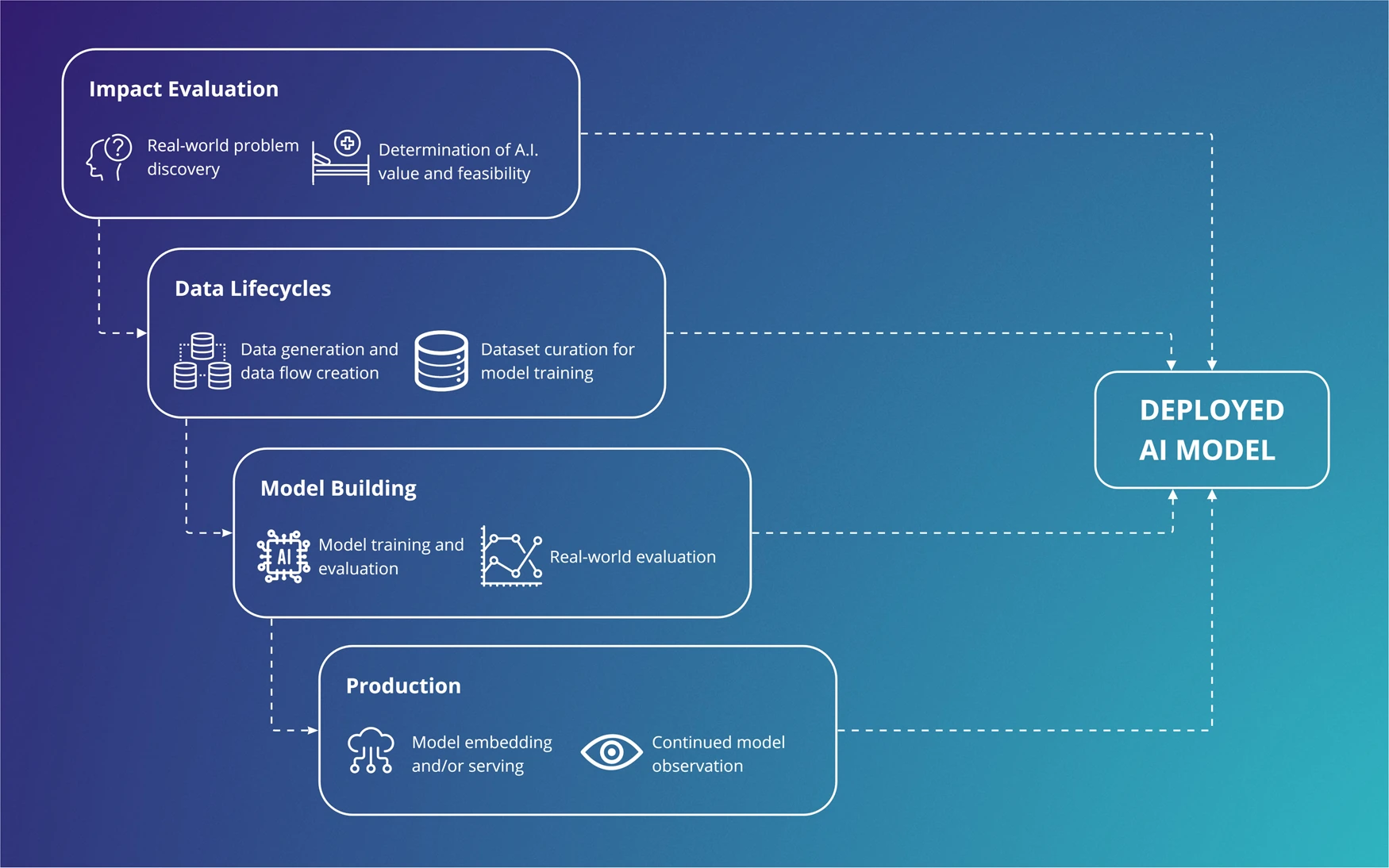
Vertically integrated artificial intelligence (AI) development model, which breaks down the traditional barriers between different supply chain components, aiming for a more streamlined…

The distribution of Personal Protective Equipment (PPE) in the United Kingdom during the COVID-19 pandemic, spanning from 2020 to 2023, marked a critical…

The AI-Assisted Discharge Summary (AI-Assisted DSUM) is a technological innovation aimed at improving the efficiency of hospital discharge summaries within the NHS. Using…

A technical operating guide for managing live AI systems, including logging, release control, model drift, incident response, rollback and safe retirement.
Artificial intelligence is transforming how organisations operate, but deploying AI successfully requires more than selecting a model or building an application. Businesses must also address AI governance, information security, data protection, regulatory compliance, operational risk and long-term accountability.
View the book