
PPN 017 and the AI-Written Tender: What Public Buyers Really Need to Know
What Procurement Policy Note 017 actually asks of central government buyers, and how to investigate AI use proportionately without confusing disclosure with disqualification.
Indicative, from main CPV
2,110 coded · 81 unclassified
By OCDS release tag
Counts are notices, not contracts.
Seven rolling 24h windows · UTC
Left: earliest · right: most recent publication interval
Ranked by published notices
Window: 12 Nov 2026–19 Nov 2026 · Updated 28 Nov, 12:15 UTC
What Procurement Policy Note 017 actually asks of central government buyers, and how to investigate AI use proportionately without confusing disclosure with disqualification.

Public-sector AI needs to demonstrate real outcomes—not merely faster outputs. A strong assurance approach tracks quality, fairness, cost, staff experience and sustainability.

Introduction The National Health Service (NHS) is a cornerstone of the United Kingdom’s public sector, providing healthcare services to millions. As the NHS…

Artificial intelligence is quickly becoming part of the conversation in almost every workplace. In procurement and the public sector, it is increasingly positioned…

In today’s data-driven business landscape, organisations are flooded with more data than ever before. From transaction histories to customer behaviour patterns, data can…
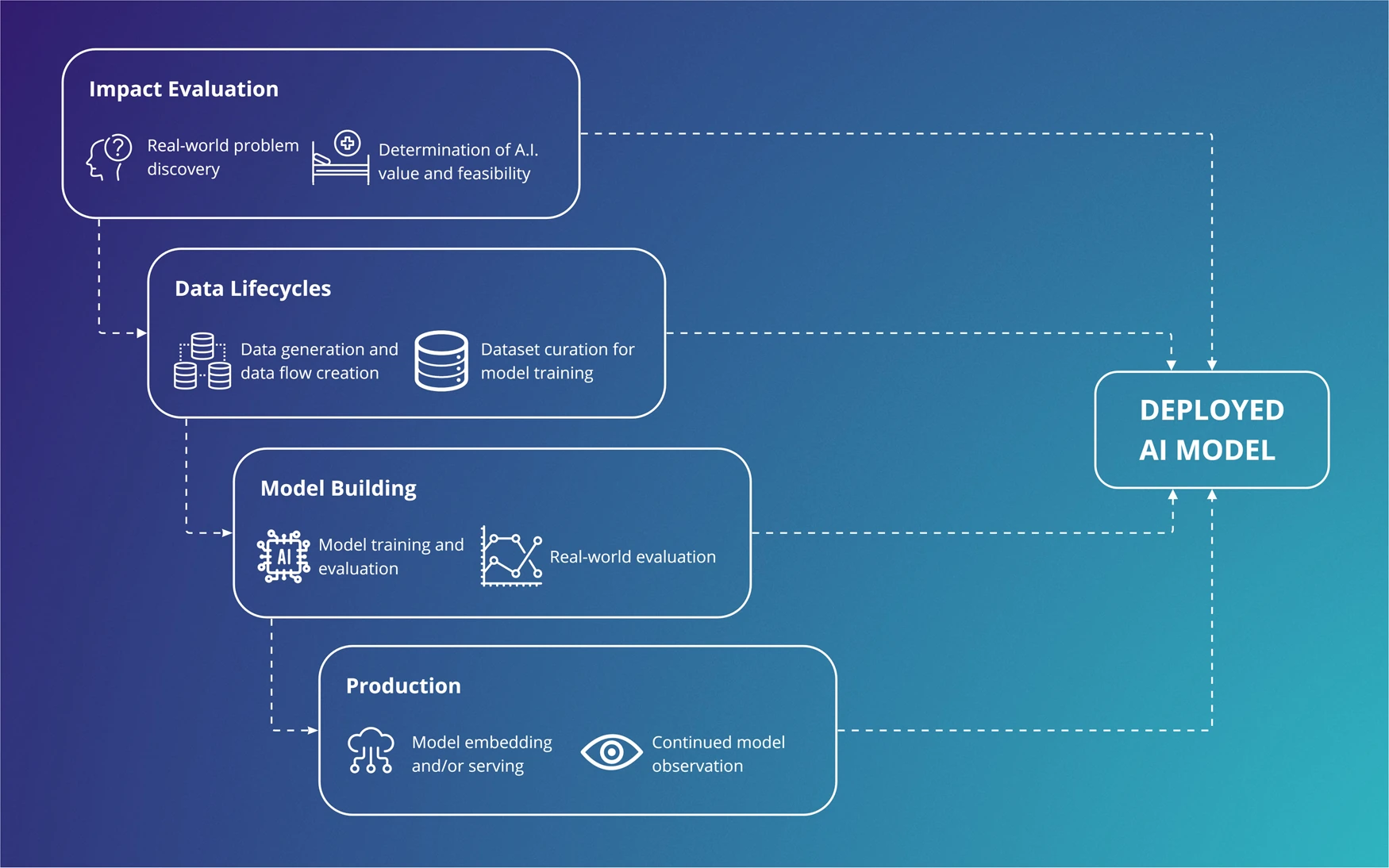
Vertically integrated artificial intelligence (AI) development model, which breaks down the traditional barriers between different supply chain components, aiming for a more streamlined…

The Fuller Stocktake Report, commissioned by NHS England, provides a comprehensive review of the current state of primary care integration within the UK’s…

Data has become a cornerstone in almost every sector, and public procurement is no exception. In the UK, public procurement is heavily regulated,…

As the UK healthcare sector strives to reduce its environmental impact, sustainable procurement is emerging as a key area of focus. By making…
Artificial intelligence is transforming how organisations operate, but deploying AI successfully requires more than selecting a model or building an application. Businesses must also address AI governance, information security, data protection, regulatory compliance, operational risk and long-term accountability.
View the book