
Beyond the Pilot: Proving That AI Delivers Public Value
Public-sector AI needs to demonstrate real outcomes—not merely faster outputs. A strong assurance approach tracks quality, fairness, cost, staff experience and sustainability.
Indicative, from main CPV
2,110 coded · 81 unclassified
By OCDS release tag
Counts are notices, not contracts.
Seven rolling 24h windows · UTC
Left: earliest · right: most recent publication interval
Ranked by published notices
Window: 12 Nov 2026–19 Nov 2026 · Updated 28 Nov, 12:15 UTC
Public-sector AI needs to demonstrate real outcomes—not merely faster outputs. A strong assurance approach tracks quality, fairness, cost, staff experience and sustainability.

Seven usable governance records and the fields each should contain, designed for public bodies that need control without creating a new bureaucracy.
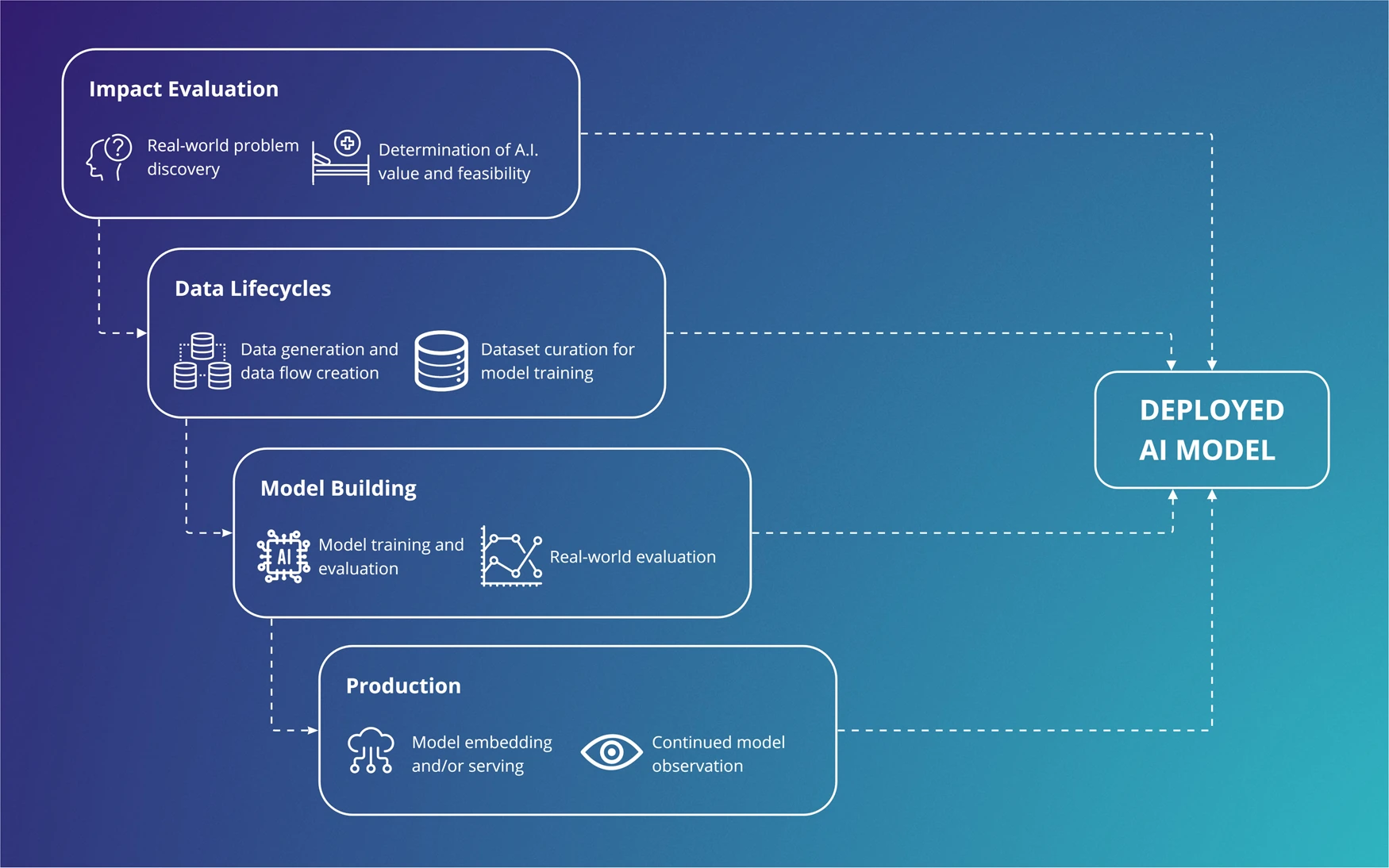
Vertically integrated artificial intelligence (AI) development model, which breaks down the traditional barriers between different supply chain components, aiming for a more streamlined…

ISO/IEC 42001 can give public bodies structure, ownership and review routines for AI—but certification does not make a particular model automatically lawful or…

Explore how the UK public and NHS staff view digital technology and AI in healthcare, including trust, safety concerns and the role of…

AI use across NHS organisations is likely to be more widespread than many leaders realise. Staff are already experimenting with tools that can…

This post was originally posted on NOECPC website linked here. NOE CPC has been using technology and data to improve patient care for…

Customer Relationship Management (CRM) tools have become indispensable for businesses in today’s competitive landscape. By streamlining interactions with customers, suppliers, and internal teams,…

Data has become a cornerstone in almost every sector, and public procurement is no exception. In the UK, public procurement is heavily regulated,…
Artificial intelligence is transforming how organisations operate, but deploying AI successfully requires more than selecting a model or building an application. Businesses must also address AI governance, information security, data protection, regulatory compliance, operational risk and long-term accountability.
View the book