
Show Your Working: Algorithmic Transparency That Citizens Can Actually Use
The Algorithmic Transparency Recording Standard is more than a publication form. Used well, it helps people understand why an algorithm is there and…
Indicative, from main CPV
2,110 coded · 81 unclassified
By OCDS release tag
Counts are notices, not contracts.
Seven rolling 24h windows · UTC
Left: earliest · right: most recent publication interval
Ranked by published notices
Window: 12 Nov 2026–19 Nov 2026 · Updated 28 Nov, 12:15 UTC
The Algorithmic Transparency Recording Standard is more than a publication form. Used well, it helps people understand why an algorithm is there and…

This article analyses the key findings from the Institute for Government report titled Improving Accountability in Government Procurement, which explores the size and…

The National Health Service (NHS) stands as a testament to the power of public health. Its scale and reach mean it deals with…

Introduction The National Health Service (NHS) is a cornerstone of the United Kingdom’s public sector, providing healthcare services to millions. As the NHS…
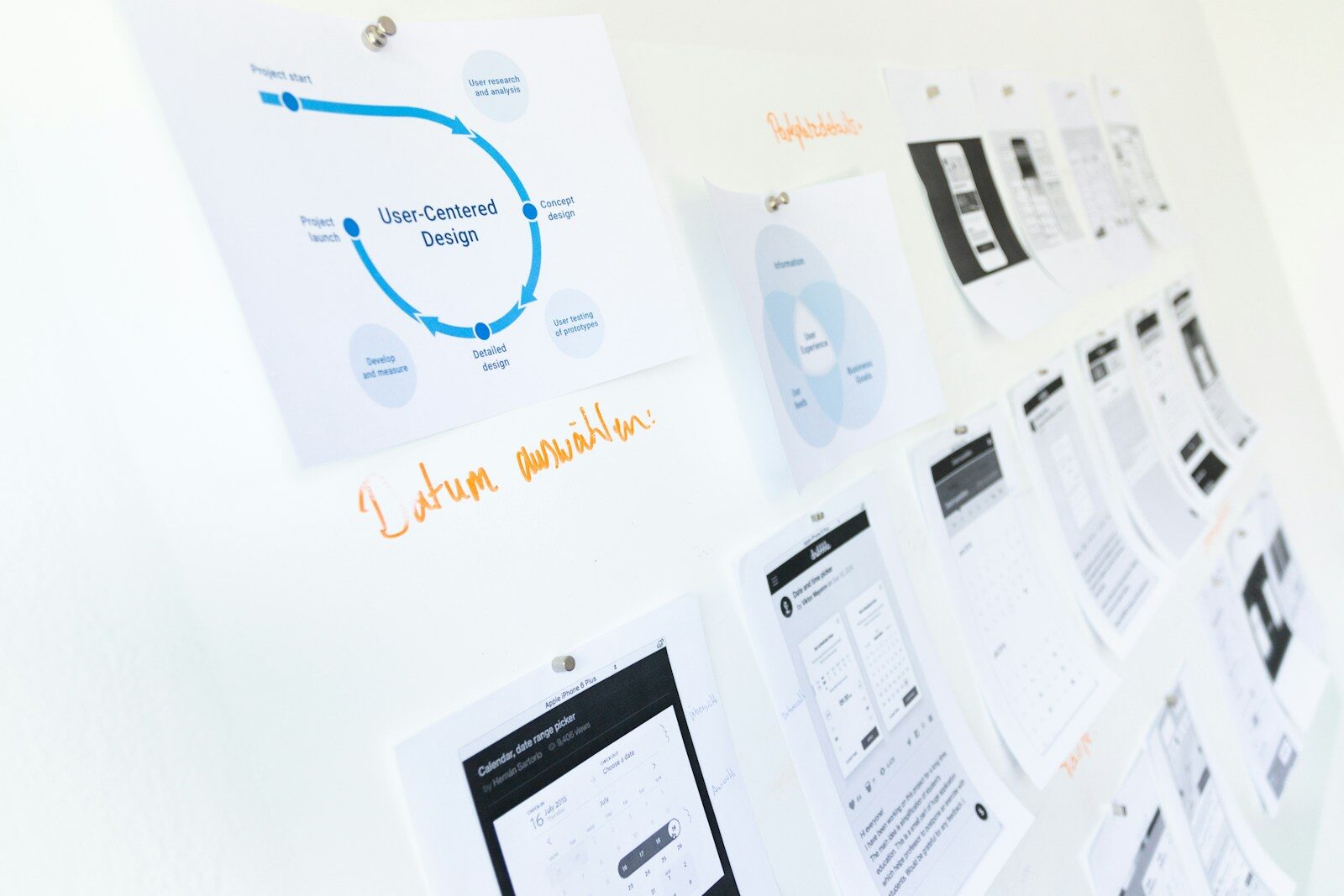
How public-sector teams can build evaluation sets, set release thresholds and test hallucination, retrieval, security and human review before using generative AI.

The National Health Service (NHS) is an essential institution providing healthcare to millions of people across the United Kingdom. One of the critical…

This post was originally posted on NOECPC website linked here. NOE CPC has been using technology and data to improve patient care for…

A practical method for classifying AI use cases by their real-world impact, with example tiers, escalation triggers and a worked public-service scenario.

A technical operating guide for managing live AI systems, including logging, release control, model drift, incident response, rollback and safe retirement.
Artificial intelligence is transforming how organisations operate, but deploying AI successfully requires more than selecting a model or building an application. Businesses must also address AI governance, information security, data protection, regulatory compliance, operational risk and long-term accountability.
View the book