Customer Relationship Management (CRM) tools have become indispensable for businesses in today’s competitive landscape. By streamlining interactions with customers, suppliers, and internal teams,…
Public-sector AI needs to demonstrate real outcomes—not merely faster outputs. A strong assurance approach tracks quality, fairness, cost, staff experience and sustainability.
What Procurement Policy Note 017 actually asks of central government buyers, and how to investigate AI use proportionately without confusing disclosure with disqualification.
Once an AI service is bought, the real governance work begins: managing model updates, data use, performance evidence, incident response and exit arrangements.
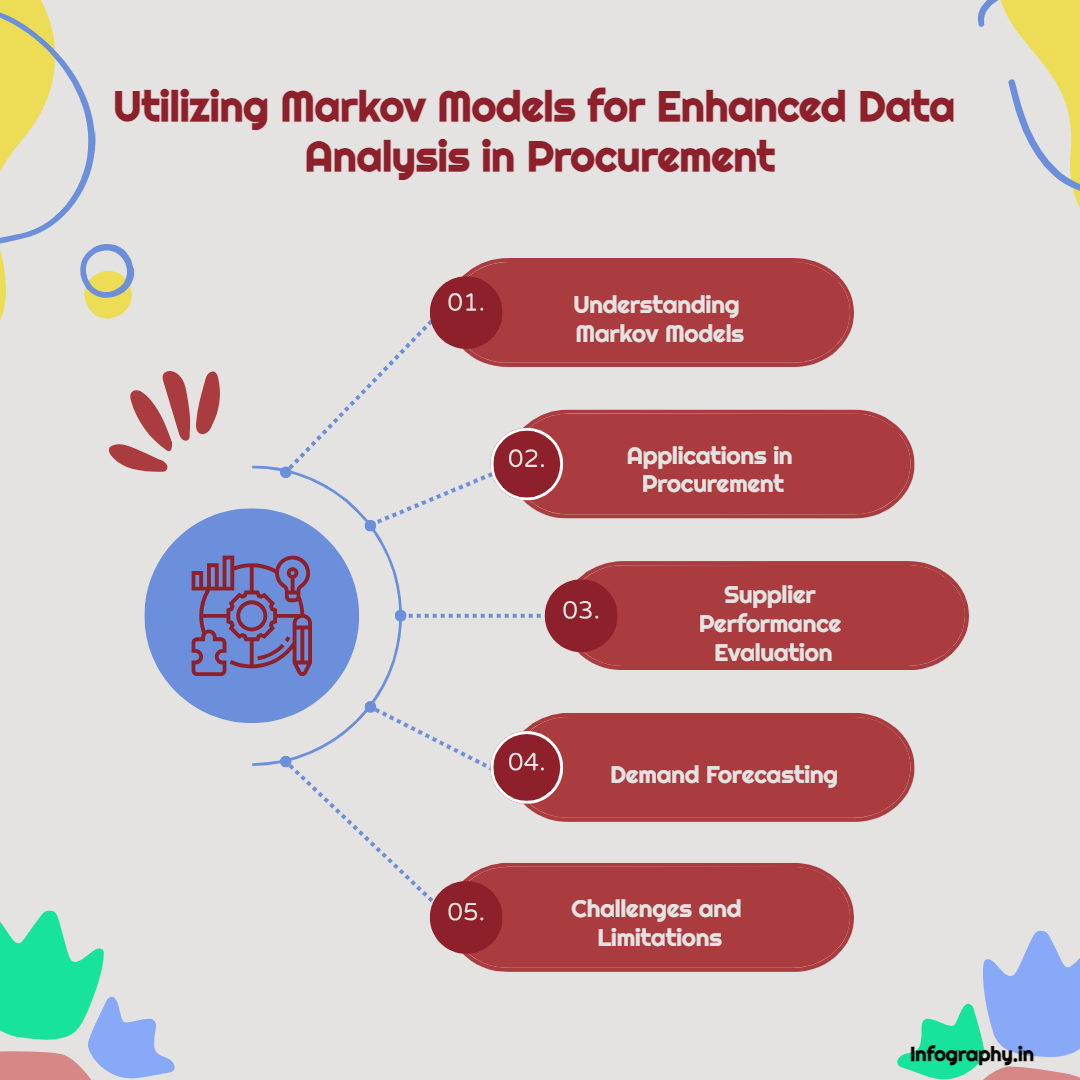
The rapid evolution of data analysis and machine learning in modern industries has given rise to advanced methods of interpreting, forecasting, and optimizing…
Cryptography, the science of securing communication and data from adversaries, has been an essential part of human history for millennia. In today’s digital…
How public-sector teams can build evaluation sets, set release thresholds and test hallucination, retrieval, security and human review before using generative AI.
Artificial intelligence is transforming how organisations operate, but deploying AI successfully requires more than selecting a model or building an application. Businesses must also address AI governance, information security, data protection, regulatory compliance, operational risk and long-term accountability.