
The Public-Sector AI Governance Toolkit: Seven Records Worth Keeping
Seven usable governance records and the fields each should contain, designed for public bodies that need control without creating a new bureaucracy.
Indicative, from main CPV
2,110 coded · 81 unclassified
By OCDS release tag
Counts are notices, not contracts.
Seven rolling 24h windows · UTC
Left: earliest · right: most recent publication interval
Ranked by published notices
Window: 12 Nov 2026–19 Nov 2026 · Updated 28 Nov, 12:15 UTC
Seven usable governance records and the fields each should contain, designed for public bodies that need control without creating a new bureaucracy.
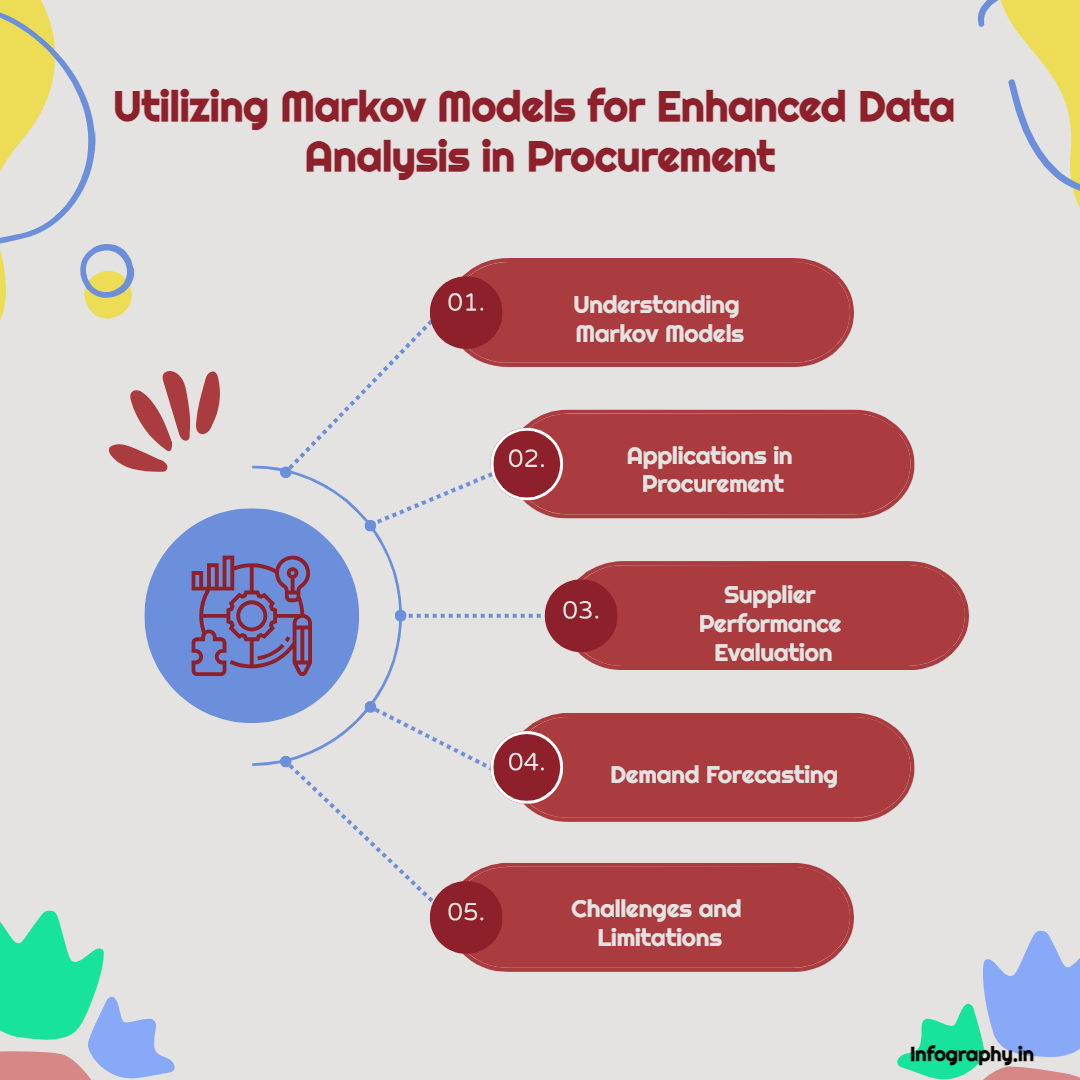
The rapid evolution of data analysis and machine learning in modern industries has given rise to advanced methods of interpreting, forecasting, and optimizing…

Risk stratification has long been heralded as a promising approach in healthcare, aiming to identify patients at varying levels of risk for adverse…

In today’s world, modelling and simulation (M&S) have become indispensable tools in a wide range of fields, including engineering, healthcare, economics, and environmental…

In today’s rapidly evolving healthcare landscape, Information Management and Technology (IM&T) plays a critical role in ensuring the efficient and effective delivery of…

In the era of big data, organisations are increasingly reliant on spend analytics to make informed decisions and drive efficiencies. Spend analytics involves…

The role of data in procurement has become increasingly important in recent years, as companies seek to optimize their supply chain and reduce…

Public-sector AI needs to demonstrate real outcomes—not merely faster outputs. A strong assurance approach tracks quality, fairness, cost, staff experience and sustainability.

Explore how the UK public and NHS staff view digital technology and AI in healthcare, including trust, safety concerns and the role of…
Artificial intelligence is transforming how organisations operate, but deploying AI successfully requires more than selecting a model or building an application. Businesses must also address AI governance, information security, data protection, regulatory compliance, operational risk and long-term accountability.
View the book