
After Go-Live: Monitoring, Change Control and the AI Kill Switch
A technical operating guide for managing live AI systems, including logging, release control, model drift, incident response, rollback and safe retirement.
Indicative, from main CPV
2,110 coded · 81 unclassified
By OCDS release tag
Counts are notices, not contracts.
Seven rolling 24h windows · UTC
Left: earliest · right: most recent publication interval
Ranked by published notices
Window: 12 Nov 2026–19 Nov 2026 · Updated 28 Nov, 12:15 UTC
A technical operating guide for managing live AI systems, including logging, release control, model drift, incident response, rollback and safe retirement.

ISO/IEC 42001 can give public bodies structure, ownership and review routines for AI—but certification does not make a particular model automatically lawful or…

Introduction: The Importance of Inventory Management in NHS Trusts In the ever-evolving landscape of healthcare, managing resources efficiently is critical for delivering high-quality…

Public-sector AI needs to demonstrate real outcomes—not merely faster outputs. A strong assurance approach tracks quality, fairness, cost, staff experience and sustainability.

In the era of big data, organisations are increasingly reliant on spend analytics to make informed decisions and drive efficiencies. Spend analytics involves…

1. Introduction This report provides a comprehensive, data-driven analysis of the National Health Service (NHS) in England, examining its current operational performance, workforce…
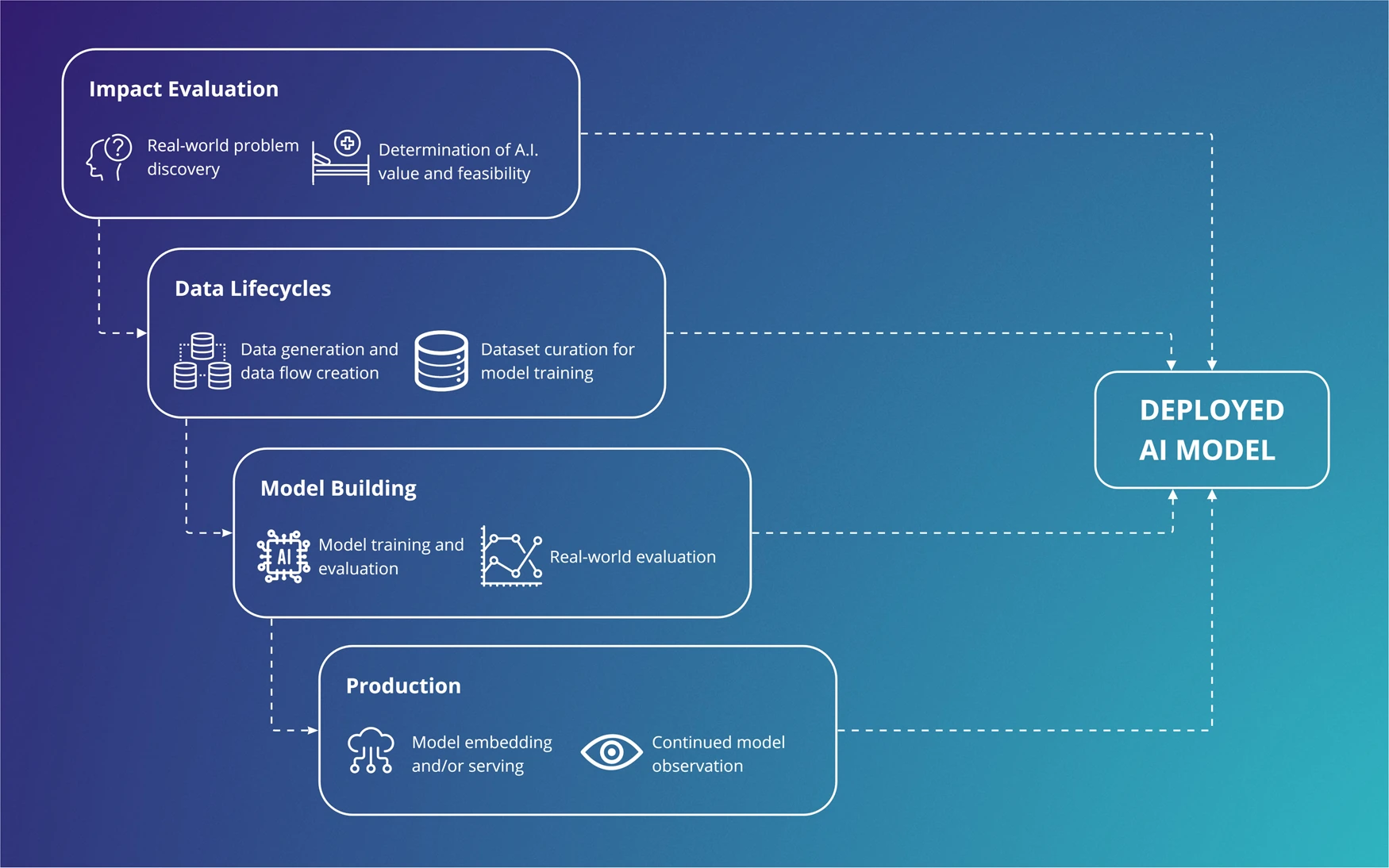
Vertically integrated artificial intelligence (AI) development model, which breaks down the traditional barriers between different supply chain components, aiming for a more streamlined…

In today’s world, digital technology is embedded in almost every aspect of our daily lives, from smartphones to cars, and even healthcare equipment.…

AI security is not simply a password and a vendor contract. Public organisations need controls for untrusted content, data exposure, connected tools and…
Artificial intelligence is transforming how organisations operate, but deploying AI successfully requires more than selecting a model or building an application. Businesses must also address AI governance, information security, data protection, regulatory compliance, operational risk and long-term accountability.
View the book