
After Go-Live: Monitoring, Change Control and the AI Kill Switch
A technical operating guide for managing live AI systems, including logging, release control, model drift, incident response, rollback and safe retirement.
Indicative, from main CPV
2,110 coded · 81 unclassified
By OCDS release tag
Counts are notices, not contracts.
Seven rolling 24h windows · UTC
Left: earliest · right: most recent publication interval
Ranked by published notices
Window: 12 Nov 2026–19 Nov 2026 · Updated 28 Nov, 12:15 UTC
A technical operating guide for managing live AI systems, including logging, release control, model drift, incident response, rollback and safe retirement.

Human in the loop AI is going to be the difference between “useful assistant” and “future PACAC inquiry exhibit”. Under the Procurement Act…

1. Introduction This report provides a comprehensive, data-driven analysis of the National Health Service (NHS) in England, examining its current operational performance, workforce…
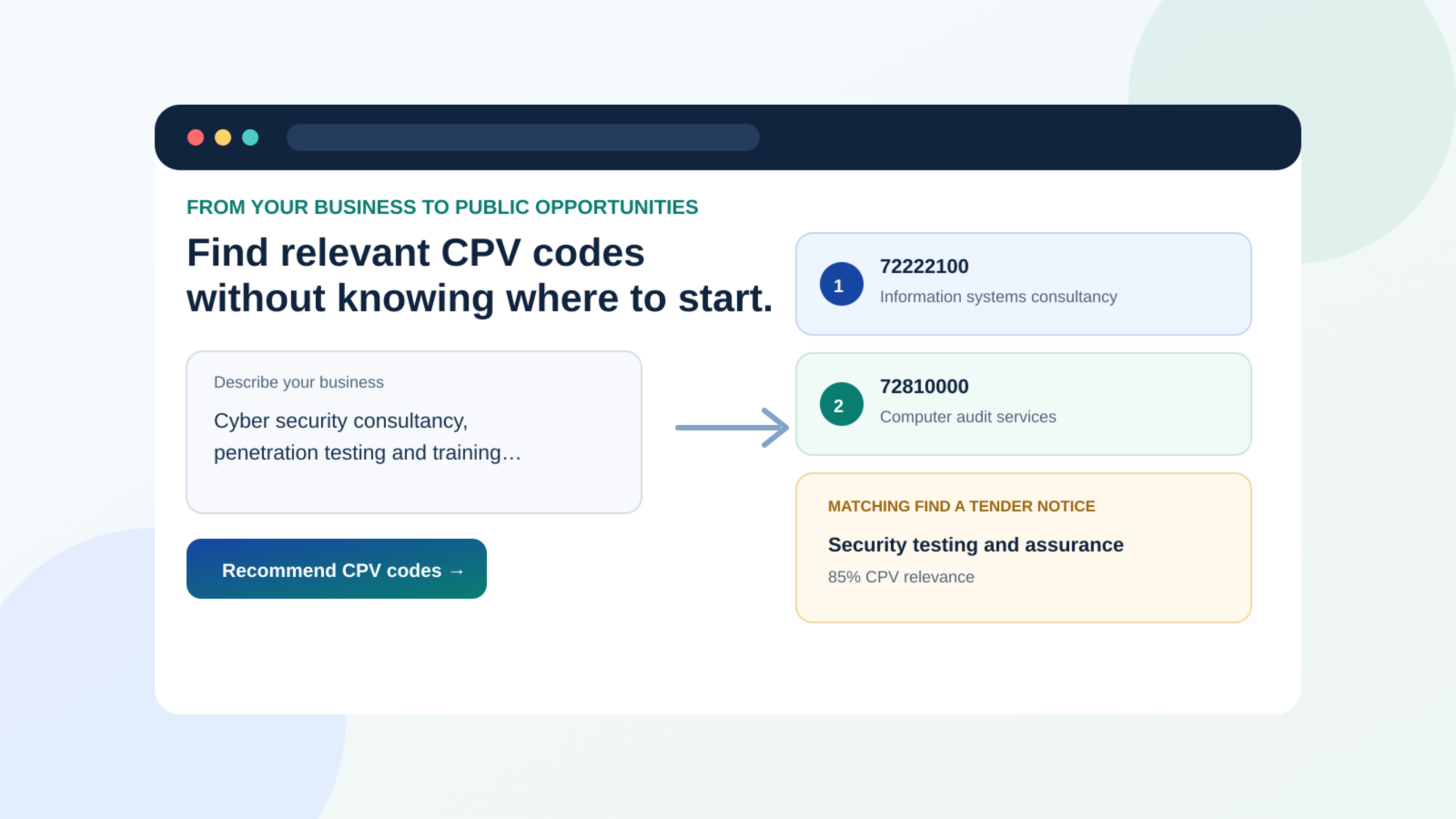
The UK public sector represents one of the country’s largest commercial markets, yet it is often presented to suppliers through classifications, notice structures…
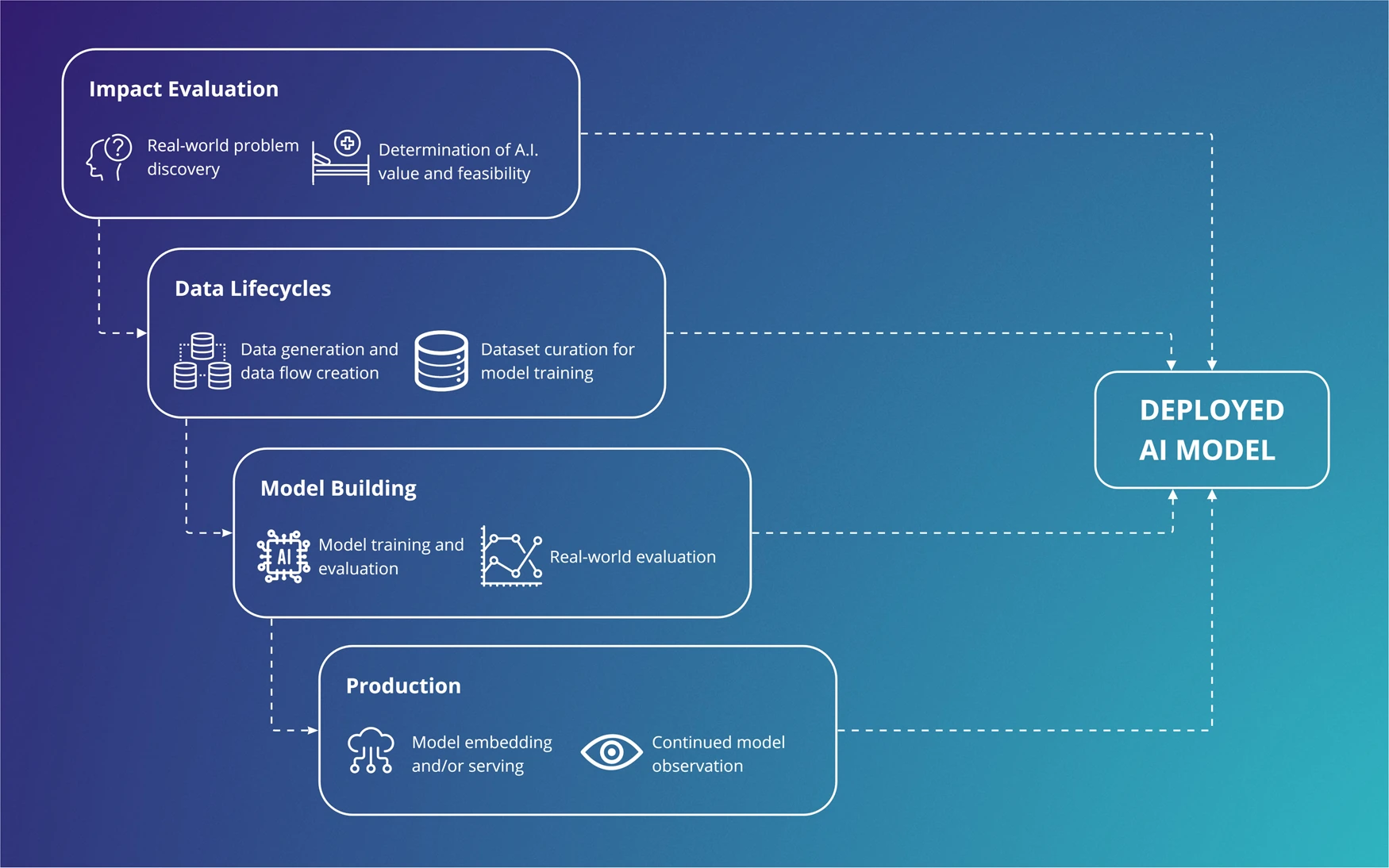
Vertically integrated artificial intelligence (AI) development model, which breaks down the traditional barriers between different supply chain components, aiming for a more streamlined…

Bayesian probability is a fascinating and powerful concept within the world of statistics and decision-making. Named after the 18th-century mathematician Thomas Bayes, this…

Before putting case files, correspondence or service-user information into an AI tool, public bodies need answers on lawful purpose, minimisation, vendor access and…

Seven usable governance records and the fields each should contain, designed for public bodies that need control without creating a new bureaucracy.

Data entry errors have long been a major concern in the procurement industry, leading to inefficiencies, delays, and additional costs. However, the implementation…
Artificial intelligence is transforming how organisations operate, but deploying AI successfully requires more than selecting a model or building an application. Businesses must also address AI governance, information security, data protection, regulatory compliance, operational risk and long-term accountability.
View the book