In today’s rapidly evolving healthcare landscape, Information Management and Technology (IM&T) plays a critical role in ensuring the efficient and effective delivery of…
The rapid evolution of data analysis and machine learning in modern industries has given rise to advanced methods of interpreting, forecasting, and optimizing…
Cryptography, the science of securing communication and data from adversaries, has been an essential part of human history for millennia. In today’s digital…
How public-sector teams can build evaluation sets, set release thresholds and test hallucination, retrieval, security and human review before using generative AI.
Introduction: The Challenge of Funding A&E Services Accident and Emergency (A&E) departments in the NHS are under constant pressure. Every year, millions of…
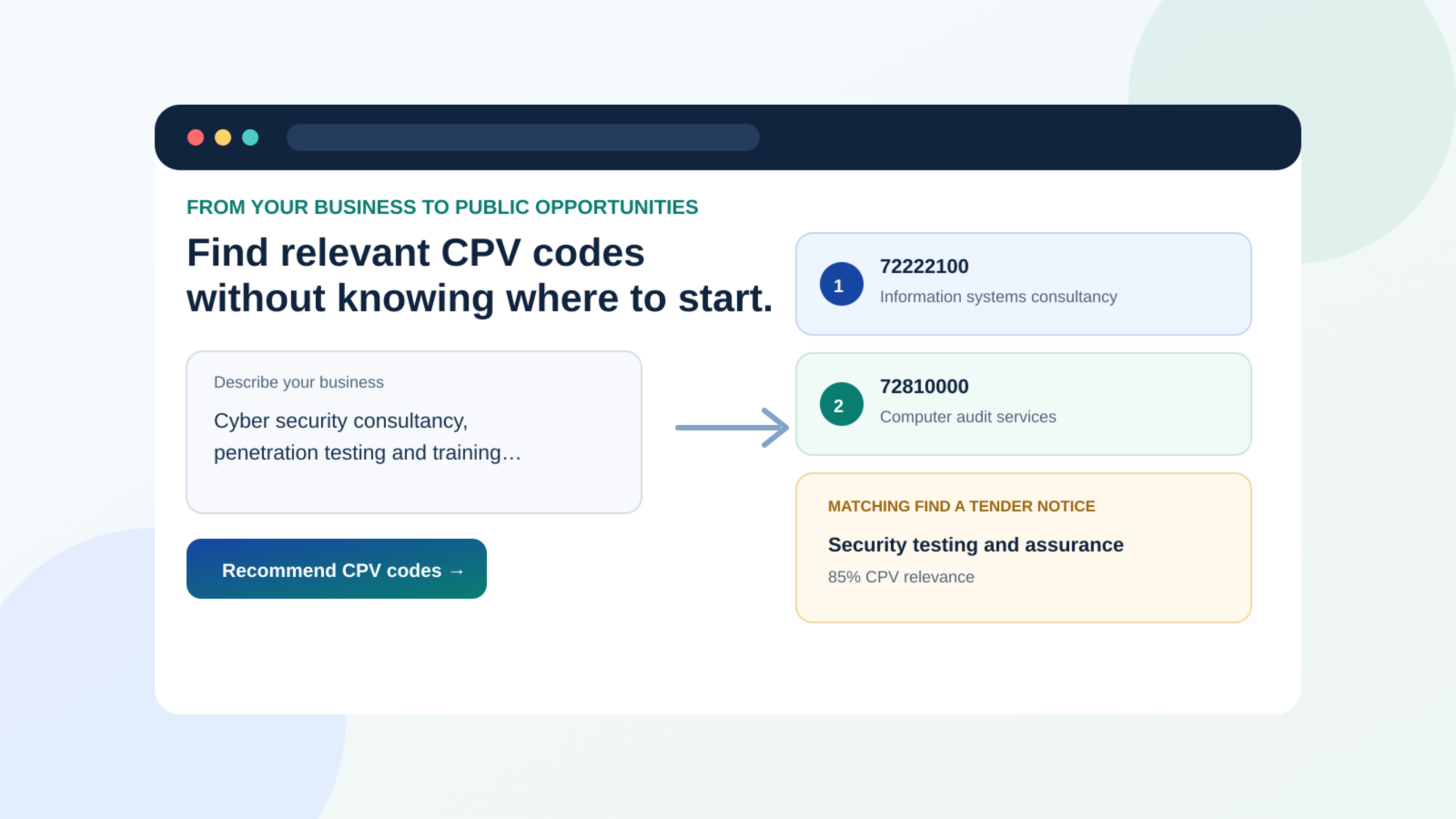
The UK public sector represents one of the country’s largest commercial markets, yet it is often presented to suppliers through classifications, notice structures…
What Procurement Policy Note 017 actually asks of central government buyers, and how to investigate AI use proportionately without confusing disclosure with disqualification.
An AI assistant can improve public-service access, but confident wrong answers, accessibility gaps and unclear escalation routes can quickly undermine that promise.
Artificial intelligence is transforming how organisations operate, but deploying AI successfully requires more than selecting a model or building an application. Businesses must also address AI governance, information security, data protection, regulatory compliance, operational risk and long-term accountability.