Bayesian probability is a fascinating and powerful concept within the world of statistics and decision-making. Named after the 18th-century mathematician Thomas Bayes, this…
An AI assistant can improve public-service access, but confident wrong answers, accessibility gaps and unclear escalation routes can quickly undermine that promise.
AI security is not simply a password and a vendor contract. Public organisations need controls for untrusted content, data exposure, connected tools and…
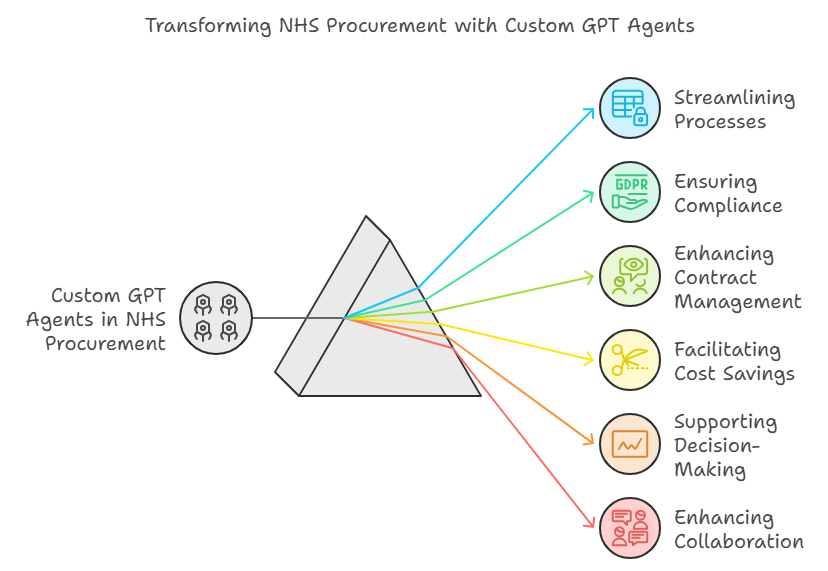
The healthcare sector, particularly the National Health Service (NHS) in the United Kingdom, operates within a complex procurement environment driven by rigorous compliance…
Once an AI service is bought, the real governance work begins: managing model updates, data use, performance evidence, incident response and exit arrangements.
Customer Relationship Management (CRM) tools have become indispensable for businesses in today’s competitive landscape. By streamlining interactions with customers, suppliers, and internal teams,…
Public-sector AI needs to demonstrate real outcomes—not merely faster outputs. A strong assurance approach tracks quality, fairness, cost, staff experience and sustainability.
Artificial intelligence is transforming how organisations operate, but deploying AI successfully requires more than selecting a model or building an application. Businesses must also address AI governance, information security, data protection, regulatory compliance, operational risk and long-term accountability.