
Can We Put That Data into AI? A Public-Sector Privacy Reality Check
Before putting case files, correspondence or service-user information into an AI tool, public bodies need answers on lawful purpose, minimisation, vendor access and…
Indicative, from main CPV
2,110 coded · 81 unclassified
By OCDS release tag
Counts are notices, not contracts.
Seven rolling 24h windows · UTC
Left: earliest · right: most recent publication interval
Ranked by published notices
Window: 12 Nov 2026–19 Nov 2026 · Updated 28 Nov, 12:15 UTC
Before putting case files, correspondence or service-user information into an AI tool, public bodies need answers on lawful purpose, minimisation, vendor access and…

Data has become a cornerstone in almost every sector, and public procurement is no exception. In the UK, public procurement is heavily regulated,…
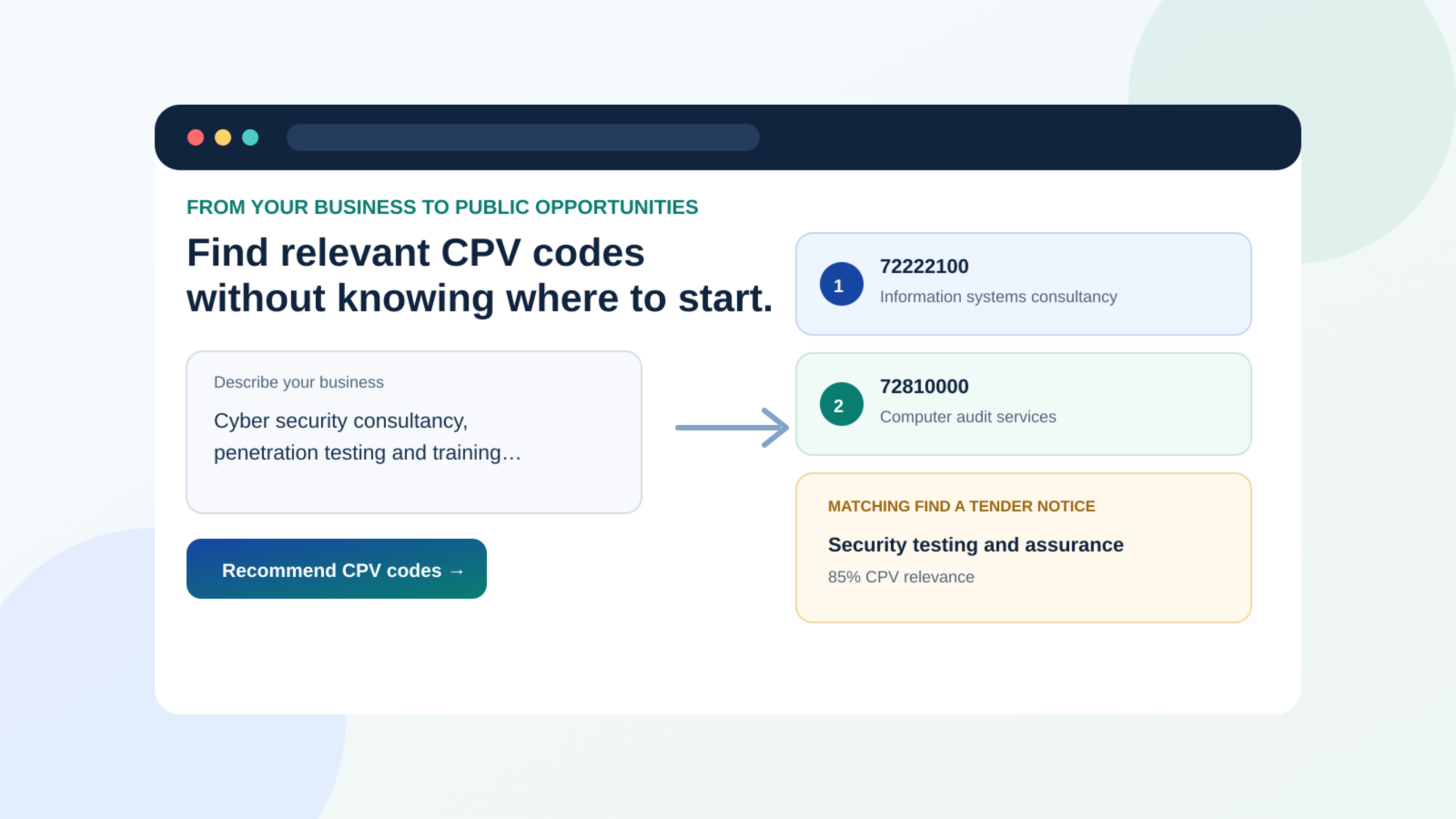
The UK public sector represents one of the country’s largest commercial markets, yet it is often presented to suppliers through classifications, notice structures…

Power BI is a versatile business analytics tool that can be used for process mining when combined with event logs and process mapping…

AI security is not simply a password and a vendor contract. Public organisations need controls for untrusted content, data exposure, connected tools and…

AI use across NHS organisations is likely to be more widespread than many leaders realise. Staff are already experimenting with tools that can…

The distribution of Personal Protective Equipment (PPE) in the United Kingdom during the COVID-19 pandemic, spanning from 2020 to 2023, marked a critical…

Process mining has become a transformative technology for analysing and improving operational processes across various sectors, including procurement and supply chain management. In…
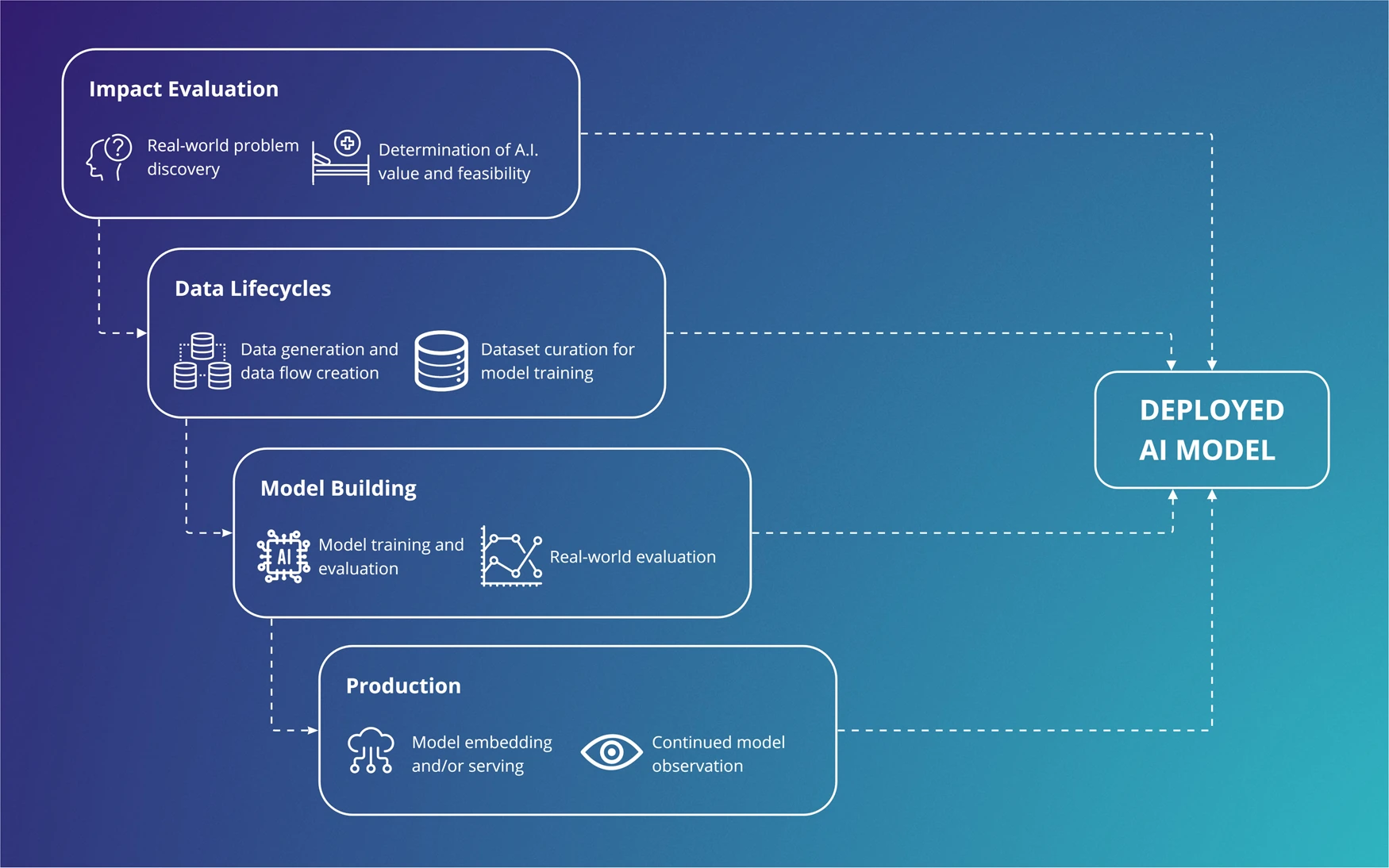
Vertically integrated artificial intelligence (AI) development model, which breaks down the traditional barriers between different supply chain components, aiming for a more streamlined…
Artificial intelligence is transforming how organisations operate, but deploying AI successfully requires more than selecting a model or building an application. Businesses must also address AI governance, information security, data protection, regulatory compliance, operational risk and long-term accountability.
View the book