
Not All AI Is High Risk: Designing a Defensible Risk-Tiering Method
A practical method for classifying AI use cases by their real-world impact, with example tiers, escalation triggers and a worked public-service scenario.
Older snapshot — new data available after next cron refresh.
Indicative, from main CPV
2,110 coded · 81 unclassified
By OCDS release tag
Counts are notices, not contracts.
Seven rolling 24h windows · UTC
Left: earliest · right: most recent publication interval
Ranked by published notices
Window: 12 Nov 2026–19 Nov 2026 · Updated 28 Nov, 12:15 UTC
A practical method for classifying AI use cases by their real-world impact, with example tiers, escalation triggers and a worked public-service scenario.

Data has become a cornerstone in almost every sector, and public procurement is no exception. In the UK, public procurement is heavily regulated,…

Artificial intelligence is quickly becoming part of the conversation in almost every workplace. In procurement and the public sector, it is increasingly positioned…
How public-sector teams can build evaluation sets, set release thresholds and test hallucination, retrieval, security and human review before using generative AI.

In the rapidly evolving landscape of data analysis and management, Artificial Intelligence (AI) chatbots have carved a niche for themselves. These chatbots, equipped…

The NHS’s new 10‑Year Health Plan for England is ambitious, radical and long overdue. It pledges to move from reactive care to proactive…

In the era of big data, organisations are increasingly reliant on spend analytics to make informed decisions and drive efficiencies. Spend analytics involves…
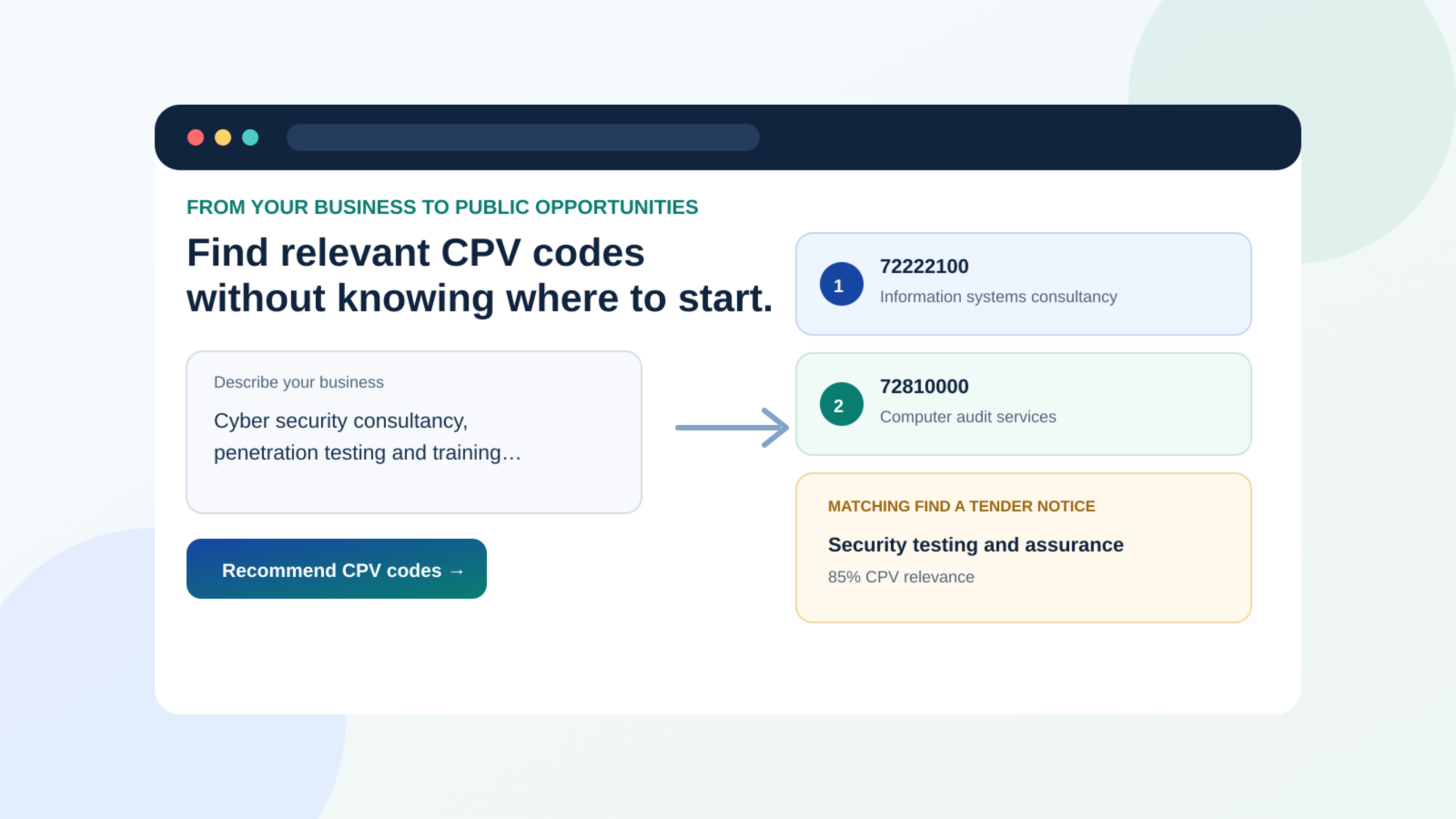
The UK public sector represents one of the country’s largest commercial markets, yet it is often presented to suppliers through classifications, notice structures…

Artificial intelligence is changing the way organisations work, particularly in procurement, where it has the potential to simplify complex tasks, improve access to…
Artificial intelligence is transforming how organisations operate, but deploying AI successfully requires more than selecting a model or building an application. Businesses must also address AI governance, information security, data protection, regulatory compliance, operational risk and long-term accountability.
View the book