Can We Prove It Works? A Technical Assurance Plan for Generative AI
How public-sector teams can build evaluation sets, set release thresholds and test hallucination, retrieval, security and human review before using generative AI.
Indicative, from main CPV
2,110 coded · 81 unclassified
By OCDS release tag
Counts are notices, not contracts.
Seven rolling 24h windows · UTC
Left: earliest · right: most recent publication interval
Ranked by published notices
Window: 12 Nov 2026–19 Nov 2026 · Updated 28 Nov, 12:15 UTC
How public-sector teams can build evaluation sets, set release thresholds and test hallucination, retrieval, security and human review before using generative AI.
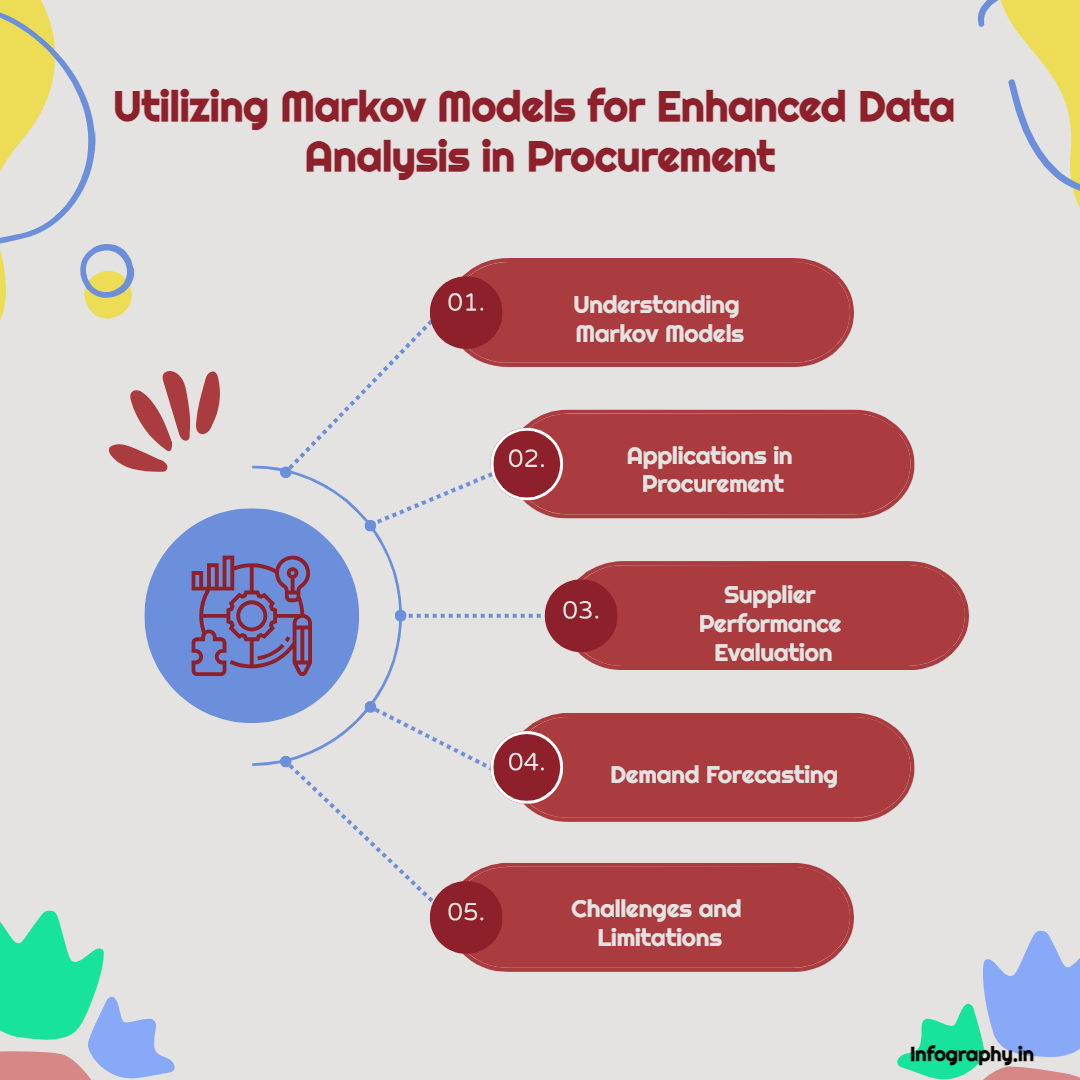
The rapid evolution of data analysis and machine learning in modern industries has given rise to advanced methods of interpreting, forecasting, and optimizing…

The Algorithmic Transparency Recording Standard is more than a publication form. Used well, it helps people understand why an algorithm is there and…

In the rapidly evolving world of artificial intelligence, the tools at our fingertips are nothing short of revolutionary. ChatGPT, among others, has democratized…

Before putting case files, correspondence or service-user information into an AI tool, public bodies need answers on lawful purpose, minimisation, vendor access and…

In the era of big data, organisations are increasingly reliant on spend analytics to make informed decisions and drive efficiencies. Spend analytics involves…

The Fuzzy Lookup Add-In for Excel performs fuzzy matching of textual data in Excel. Its a free excel plugin and is available to…

Introduction The National Health Service (NHS) is a cornerstone of the United Kingdom’s public sector, providing healthcare services to millions. As the NHS…

Cryptography, the science of securing communication and data from adversaries, has been an essential part of human history for millennia. In today’s digital…
Artificial intelligence is transforming how organisations operate, but deploying AI successfully requires more than selecting a model or building an application. Businesses must also address AI governance, information security, data protection, regulatory compliance, operational risk and long-term accountability.
View the book