
Improving Supplier Data for NHS Organisations: A Roadmap to Transparency and Efficiency
The National Health Service (NHS) stands as a testament to the power of public health. Its scale and reach mean it deals with…
Indicative, from main CPV
2,110 coded · 81 unclassified
By OCDS release tag
Counts are notices, not contracts.
Seven rolling 24h windows · UTC
Left: earliest · right: most recent publication interval
Ranked by published notices
Window: 12 Nov 2026–19 Nov 2026 · Updated 28 Nov, 12:15 UTC
The National Health Service (NHS) stands as a testament to the power of public health. Its scale and reach mean it deals with…

Human-in-the-loop governance fails when staff cannot question, override or explain AI advice. Here is what meaningful oversight looks like in a public service.

In the public sector, managing purchase order data is a critical task. With numerous descriptions, suppliers, and item codes, maintaining accuracy and consistency…

Introduction: The Importance of Inventory Management in NHS Trusts In the ever-evolving landscape of healthcare, managing resources efficiently is critical for delivering high-quality…

An AI assistant can improve public-service access, but confident wrong answers, accessibility gaps and unclear escalation routes can quickly undermine that promise.

A practical blueprint for an AI management system, from its scope and decision rights to controlled evidence, management reviews and continuous improvement.
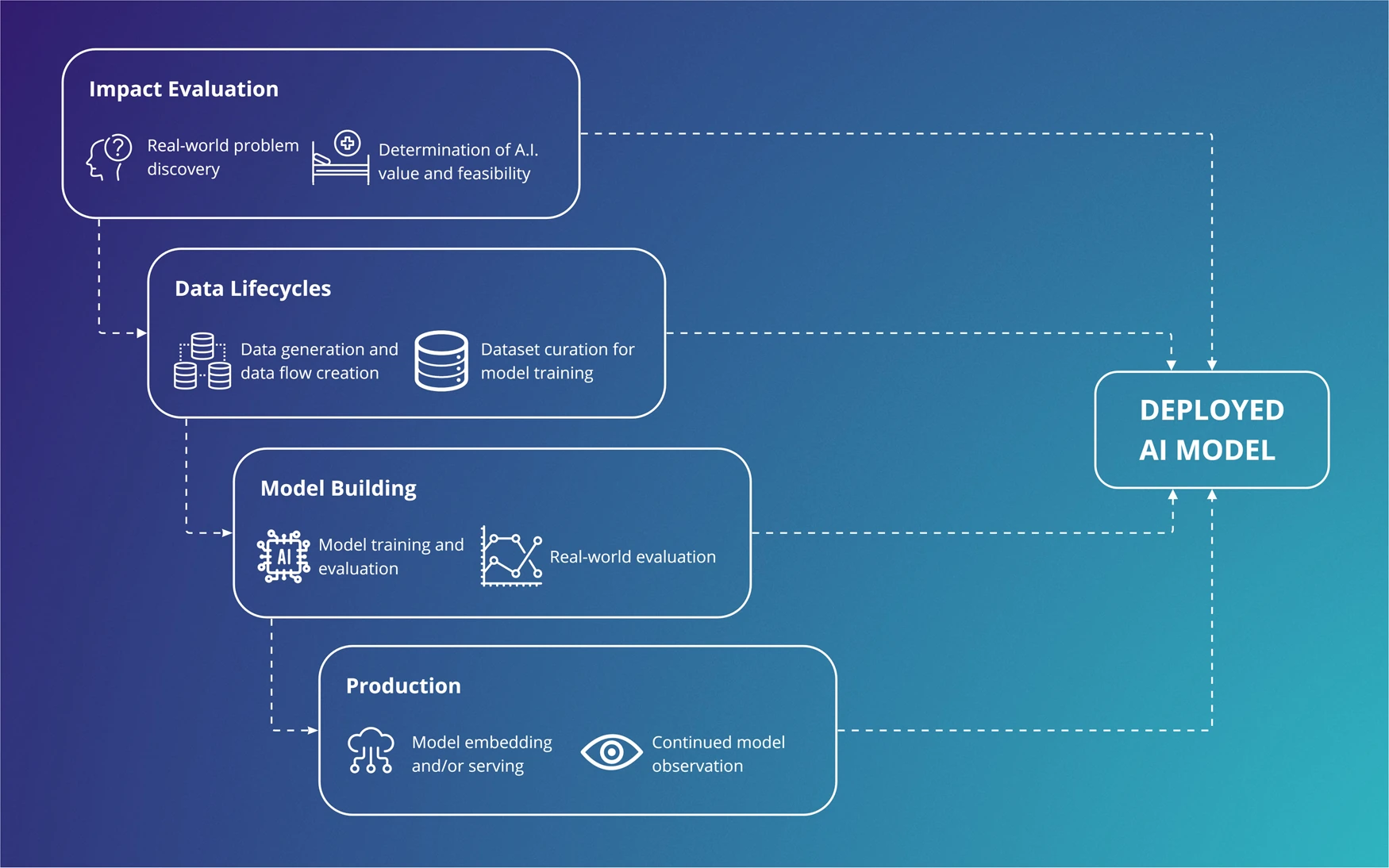
Vertically integrated artificial intelligence (AI) development model, which breaks down the traditional barriers between different supply chain components, aiming for a more streamlined…

Risk stratification has long been heralded as a promising approach in healthcare, aiming to identify patients at varying levels of risk for adverse…

Cryptography, the science of securing communication and data from adversaries, has been an essential part of human history for millennia. In today’s digital…
Artificial intelligence is transforming how organisations operate, but deploying AI successfully requires more than selecting a model or building an application. Businesses must also address AI governance, information security, data protection, regulatory compliance, operational risk and long-term accountability.
View the book