
Process Mining Using Power BI
Power BI is a versatile business analytics tool that can be used for process mining when combined with event logs and process mapping…
Older snapshot — new data available after next cron refresh.
Indicative, from main CPV
2,110 coded · 81 unclassified
By OCDS release tag
Counts are notices, not contracts.
Seven rolling 24h windows · UTC
Left: earliest · right: most recent publication interval
Ranked by published notices
Window: 12 Nov 2026–19 Nov 2026 · Updated 28 Nov, 12:15 UTC
Power BI is a versatile business analytics tool that can be used for process mining when combined with event logs and process mapping…

The National Health Service (NHS) faces ongoing challenges to maximize the value of every pound spent on healthcare. The NHS Spend Comparison Service…

Introduction: The Importance of Inventory Management in NHS Trusts In the ever-evolving landscape of healthcare, managing resources efficiently is critical for delivering high-quality…

AI use across NHS organisations is likely to be more widespread than many leaders realise. Staff are already experimenting with tools that can…

Before putting case files, correspondence or service-user information into an AI tool, public bodies need answers on lawful purpose, minimisation, vendor access and…

Public-sector AI needs to demonstrate real outcomes—not merely faster outputs. A strong assurance approach tracks quality, fairness, cost, staff experience and sustainability.

ISO/IEC 42001 can give public bodies structure, ownership and review routines for AI—but certification does not make a particular model automatically lawful or…
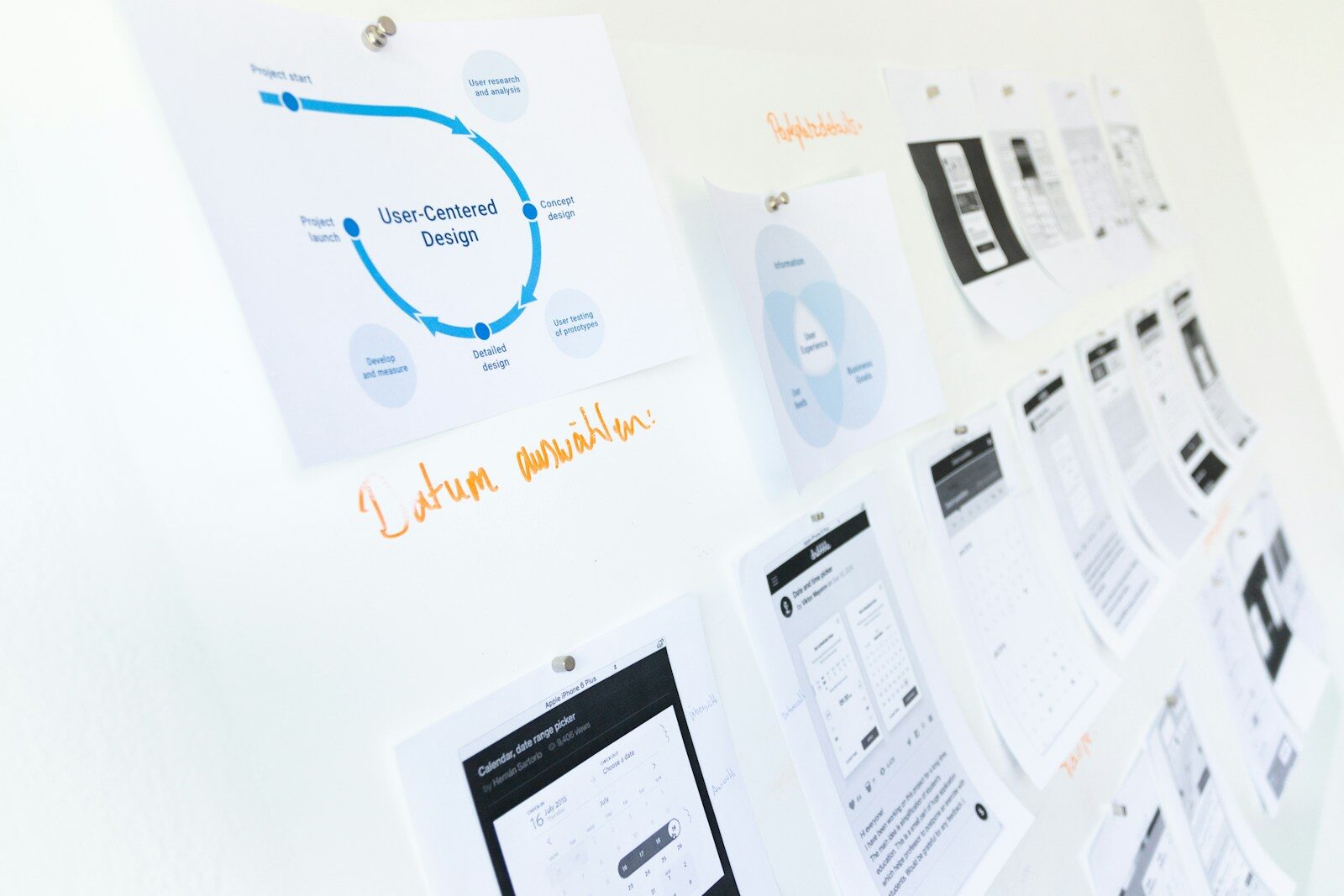
How public-sector teams can build evaluation sets, set release thresholds and test hallucination, retrieval, security and human review before using generative AI.

A practical method for classifying AI use cases by their real-world impact, with example tiers, escalation triggers and a worked public-service scenario.
Artificial intelligence is transforming how organisations operate, but deploying AI successfully requires more than selecting a model or building an application. Businesses must also address AI governance, information security, data protection, regulatory compliance, operational risk and long-term accountability.
View the book