
A Fair Algorithm Is Not Enough: Equality, Access and the People Missing from the Data
Public-sector AI fairness requires more than a bias test. It must account for unequal data, accessibility, service design and the lived experience of…
Older snapshot — new data available after next cron refresh.
Indicative, from main CPV
2,110 coded · 81 unclassified
By OCDS release tag
Counts are notices, not contracts.
Seven rolling 24h windows · UTC
Left: earliest · right: most recent publication interval
Ranked by published notices
Window: 12 Nov 2026–19 Nov 2026 · Updated 20 Nov, 00:15 UTC
Public-sector AI fairness requires more than a bias test. It must account for unequal data, accessibility, service design and the lived experience of…

Power BI is a versatile business analytics tool that can be used for process mining when combined with event logs and process mapping…

Artificial intelligence is quickly becoming part of the conversation in almost every workplace. In procurement and the public sector, it is increasingly positioned…

Human-in-the-loop governance fails when staff cannot question, override or explain AI advice. Here is what meaningful oversight looks like in a public service.
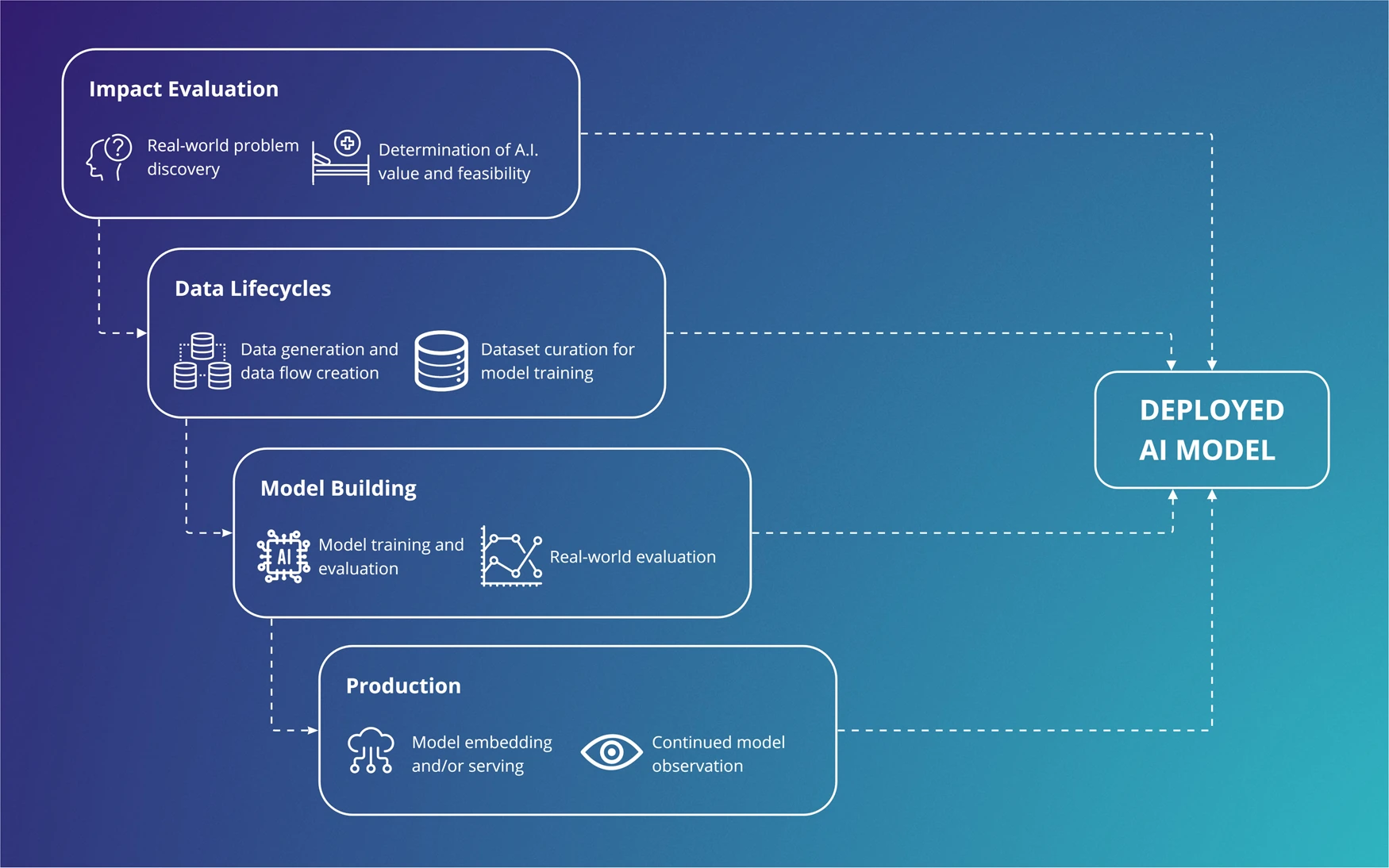
Vertically integrated artificial intelligence (AI) development model, which breaks down the traditional barriers between different supply chain components, aiming for a more streamlined…

Public-sector AI needs to demonstrate real outcomes—not merely faster outputs. A strong assurance approach tracks quality, fairness, cost, staff experience and sustainability.

What Procurement Policy Note 017 actually asks of central government buyers, and how to investigate AI use proportionately without confusing disclosure with disqualification.

Risk stratification has long been heralded as a promising approach in healthcare, aiming to identify patients at varying levels of risk for adverse…
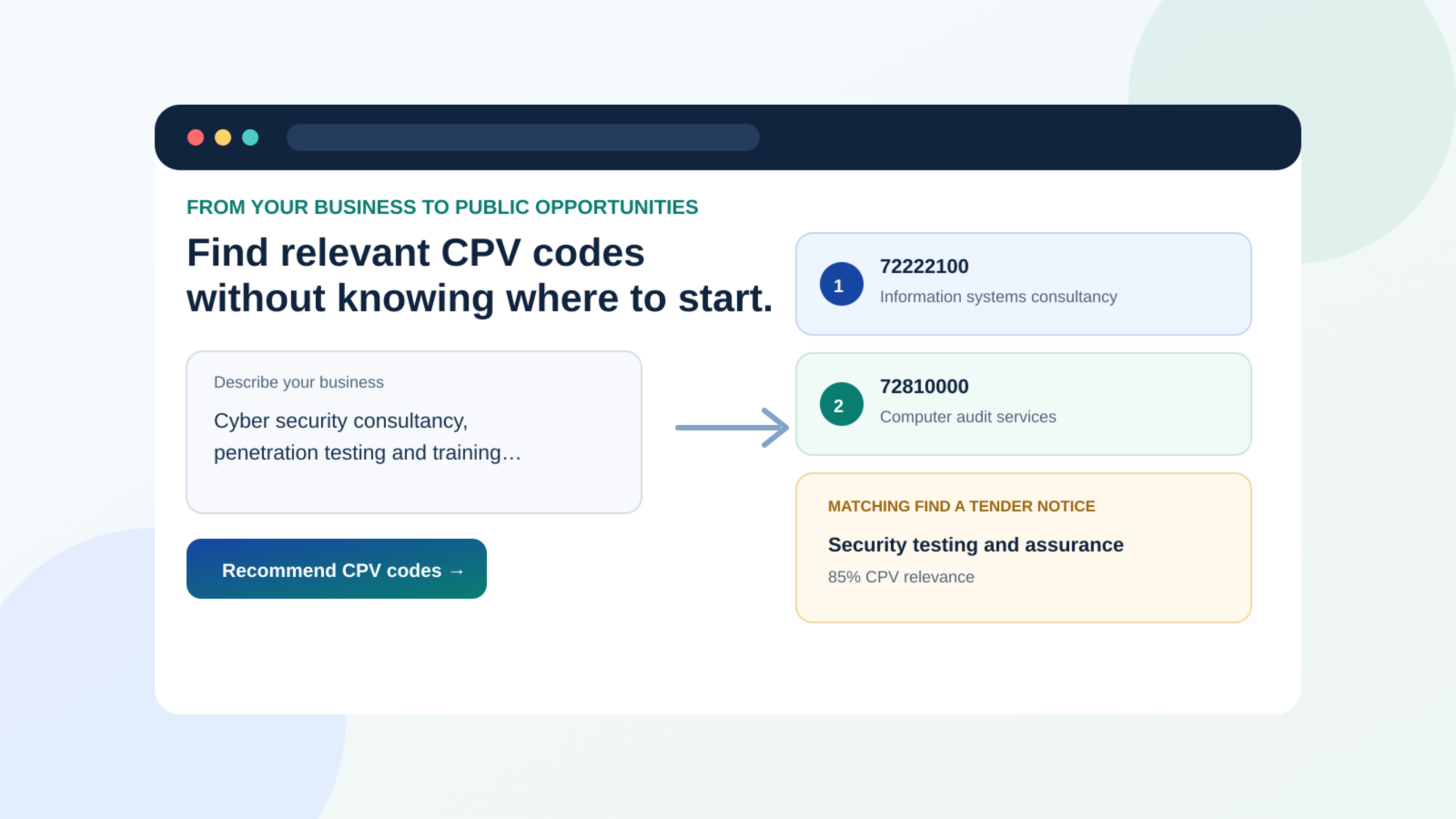
The UK public sector represents one of the country’s largest commercial markets, yet it is often presented to suppliers through classifications, notice structures…
Artificial intelligence is transforming how organisations operate, but deploying AI successfully requires more than selecting a model or building an application. Businesses must also address AI governance, information security, data protection, regulatory compliance, operational risk and long-term accountability.
View the book