
After Go-Live: Monitoring, Change Control and the AI Kill Switch
A technical operating guide for managing live AI systems, including logging, release control, model drift, incident response, rollback and safe retirement.
Indicative, from main CPV
2,110 coded · 81 unclassified
By OCDS release tag
Counts are notices, not contracts.
Seven rolling 24h windows · UTC
Left: earliest · right: most recent publication interval
Ranked by published notices
Window: 12 Nov 2026–19 Nov 2026 · Updated 28 Nov, 12:15 UTC
A technical operating guide for managing live AI systems, including logging, release control, model drift, incident response, rollback and safe retirement.

In the rapidly evolving landscape of data analysis and management, Artificial Intelligence (AI) chatbots have carved a niche for themselves. These chatbots, equipped…

In the public sector, managing purchase order data is a critical task. With numerous descriptions, suppliers, and item codes, maintaining accuracy and consistency…

Public-sector AI needs to demonstrate real outcomes—not merely faster outputs. A strong assurance approach tracks quality, fairness, cost, staff experience and sustainability.

Searching through a large procurement catalogue can be daunting – especially in the UK public sector where naming conventions vary widely. The NHS…

Artificial intelligence is quickly becoming part of the conversation in almost every workplace. In procurement and the public sector, it is increasingly positioned…

The National Health Service (NHS) stands as a testament to the power of public health. Its scale and reach mean it deals with…

This post was originally posted on NOECPC website linked here. NOE CPC has been using technology and data to improve patient care for…
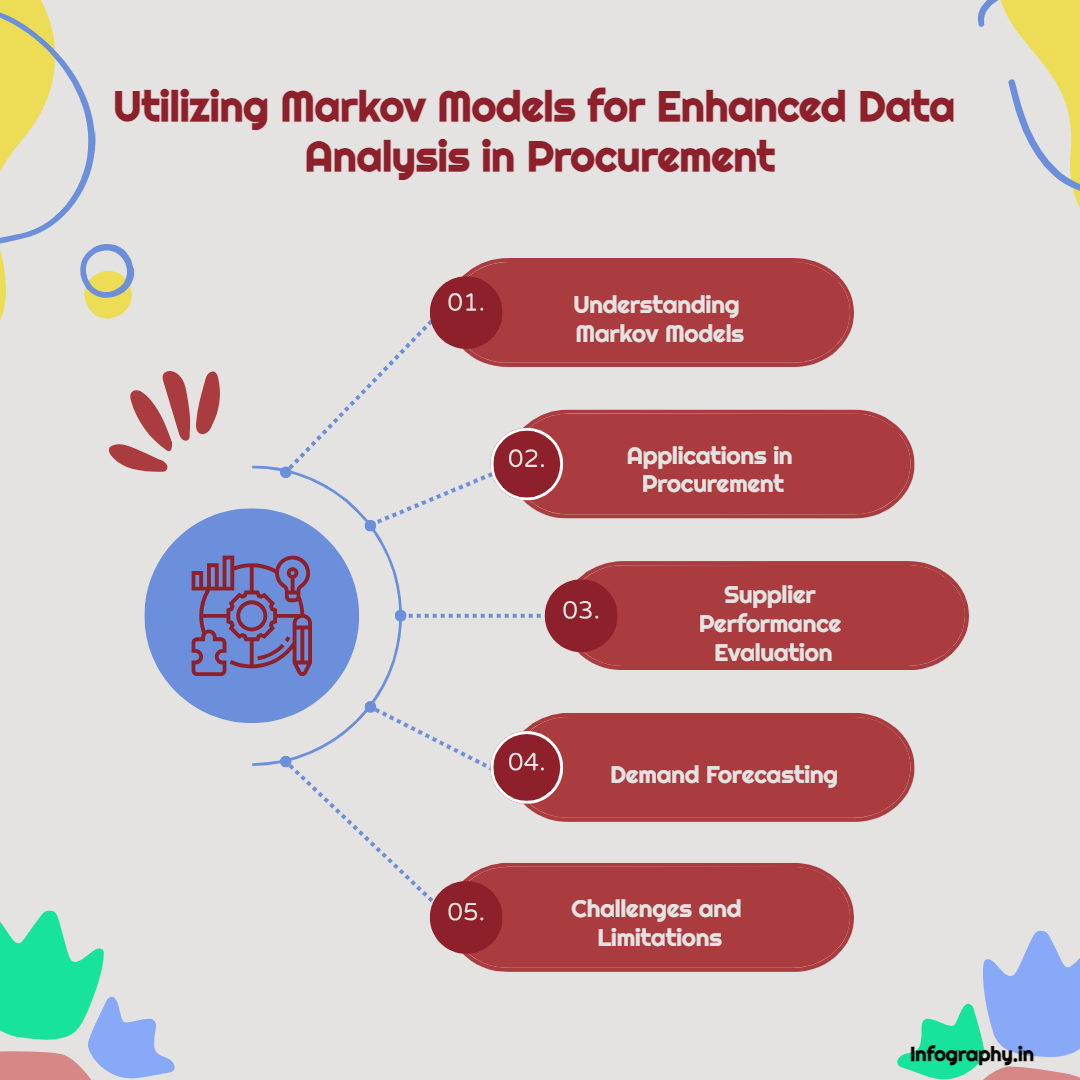
The rapid evolution of data analysis and machine learning in modern industries has given rise to advanced methods of interpreting, forecasting, and optimizing…
Artificial intelligence is transforming how organisations operate, but deploying AI successfully requires more than selecting a model or building an application. Businesses must also address AI governance, information security, data protection, regulatory compliance, operational risk and long-term accountability.
View the book