
AI-Assisted Discharge Summary (AI-Assisted DSUM)
The AI-Assisted Discharge Summary (AI-Assisted DSUM) is a technological innovation aimed at improving the efficiency of hospital discharge summaries within the NHS. Using…
Indicative, from main CPV
2,110 coded · 81 unclassified
By OCDS release tag
Counts are notices, not contracts.
Seven rolling 24h windows · UTC
Left: earliest · right: most recent publication interval
Ranked by published notices
Window: 12 Nov 2026–19 Nov 2026 · Updated 28 Nov, 12:15 UTC
The AI-Assisted Discharge Summary (AI-Assisted DSUM) is a technological innovation aimed at improving the efficiency of hospital discharge summaries within the NHS. Using…

The distribution of Personal Protective Equipment (PPE) in the United Kingdom during the COVID-19 pandemic, spanning from 2020 to 2023, marked a critical…

Explore how the UK public and NHS staff view digital technology and AI in healthcare, including trust, safety concerns and the role of…

Human in the loop AI is going to be the difference between “useful assistant” and “future PACAC inquiry exhibit”. Under the Procurement Act…

The National Health Service (NHS) is an essential institution providing healthcare to millions of people across the United Kingdom. One of the critical…

NHS procurement is fraught with challenges ranging from complex regulatory frameworks and budget constraints to supply chain disruptions and technological limitations. The introduction…
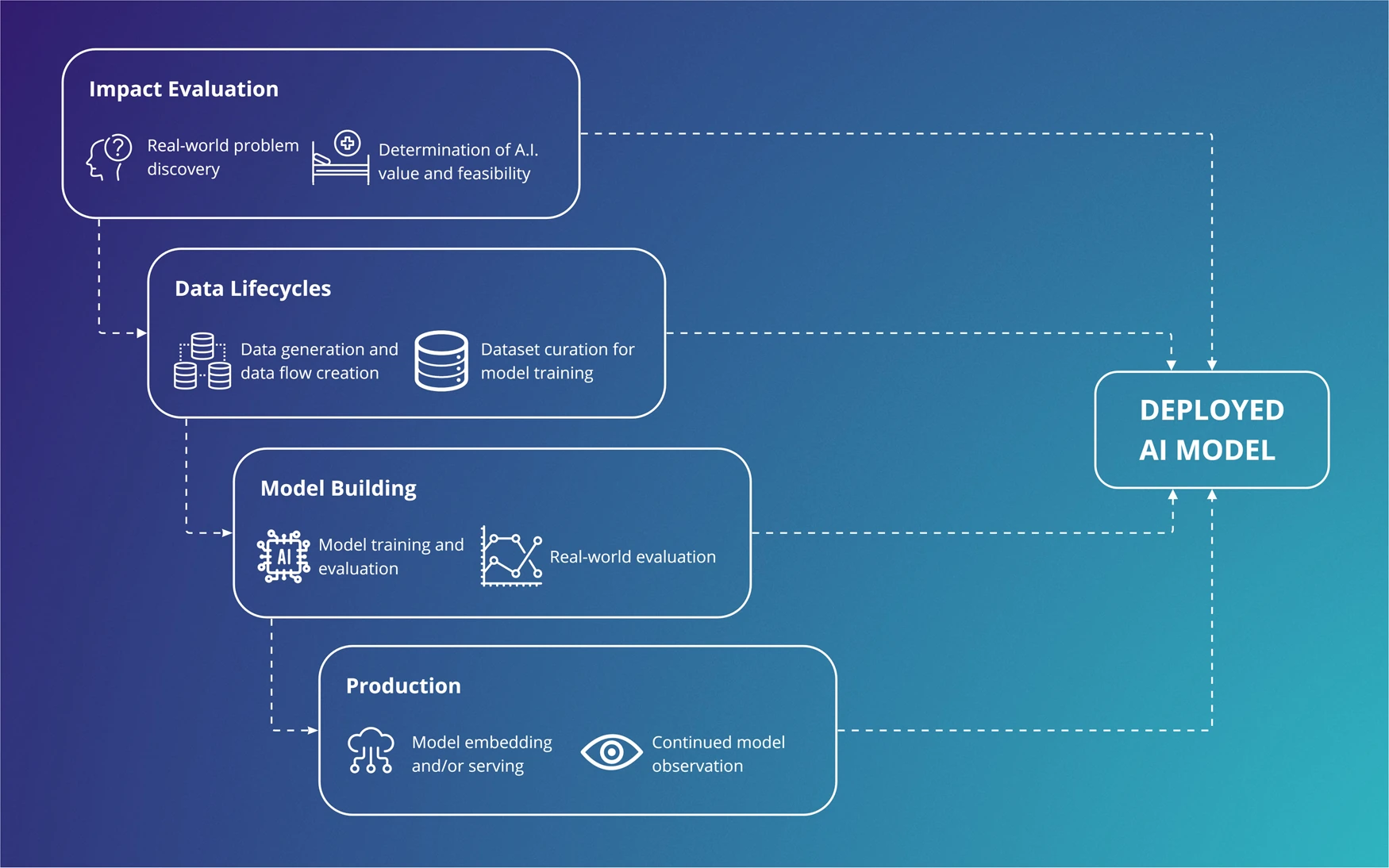
Vertically integrated artificial intelligence (AI) development model, which breaks down the traditional barriers between different supply chain components, aiming for a more streamlined…

Artificial intelligence is changing the way organisations work, particularly in procurement, where it has the potential to simplify complex tasks, improve access to…

The Algorithmic Transparency Recording Standard is more than a publication form. Used well, it helps people understand why an algorithm is there and…
Artificial intelligence is transforming how organisations operate, but deploying AI successfully requires more than selecting a model or building an application. Businesses must also address AI governance, information security, data protection, regulatory compliance, operational risk and long-term accountability.
View the book