
Not All AI Is High Risk: Designing a Defensible Risk-Tiering Method
A practical method for classifying AI use cases by their real-world impact, with example tiers, escalation triggers and a worked public-service scenario.
Indicative, from main CPV
2,110 coded · 81 unclassified
By OCDS release tag
Counts are notices, not contracts.
Seven rolling 24h windows · UTC
Left: earliest · right: most recent publication interval
Ranked by published notices
Window: 12 Nov 2026–19 Nov 2026 · Updated 28 Nov, 12:15 UTC
A practical method for classifying AI use cases by their real-world impact, with example tiers, escalation triggers and a worked public-service scenario.

Seven usable governance records and the fields each should contain, designed for public bodies that need control without creating a new bureaucracy.

Over the past two decades, the gap between what people earn and what they need to live comfortably has grown wider. On the…

Customer Relationship Management (CRM) tools have become indispensable for businesses in today’s competitive landscape. By streamlining interactions with customers, suppliers, and internal teams,…
After a bit of tweaking and reading GPT API documentation I have created a simple process to integrate GPT into live analysis of…
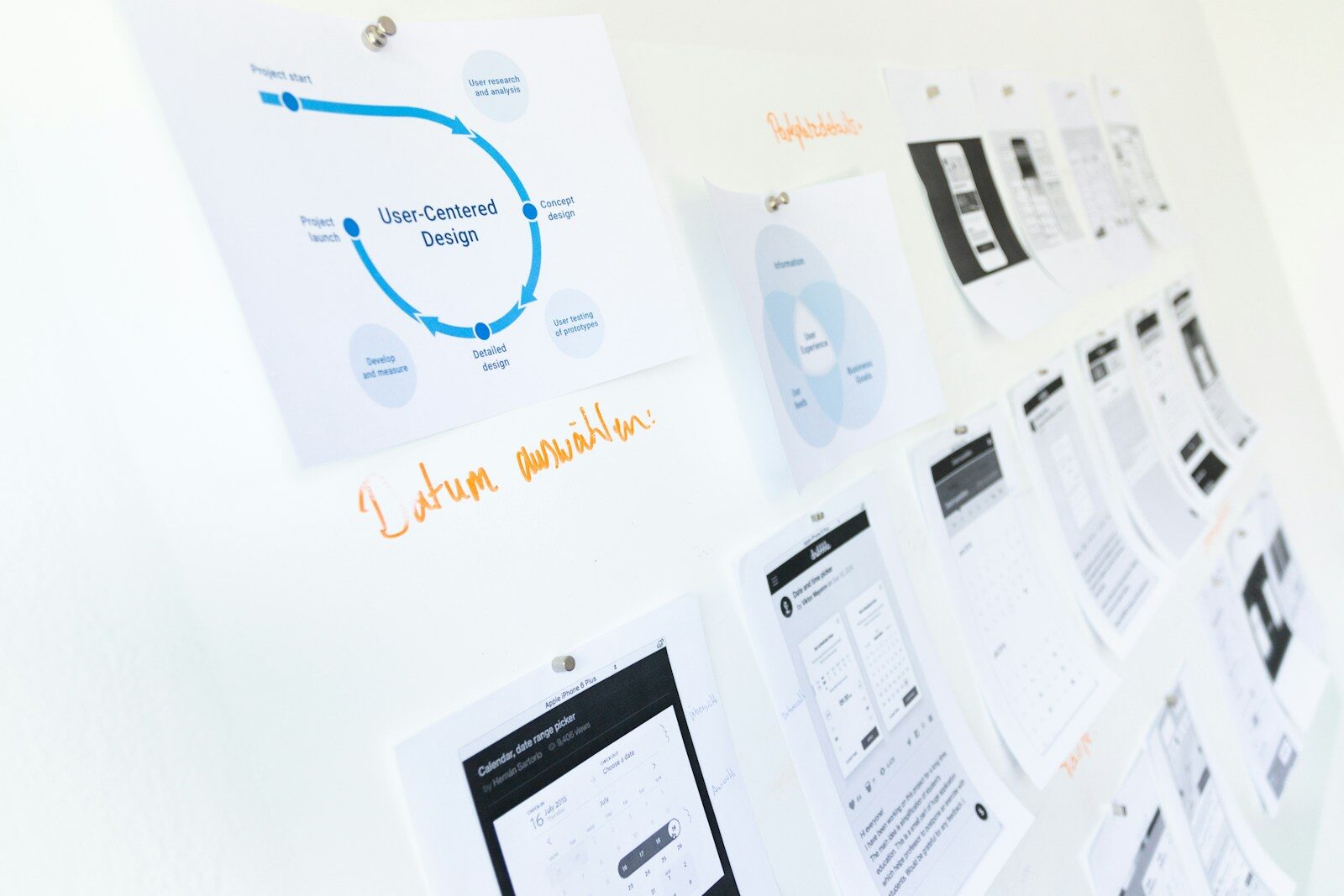
How public-sector teams can build evaluation sets, set release thresholds and test hallucination, retrieval, security and human review before using generative AI.

The AI-Assisted Discharge Summary (AI-Assisted DSUM) is a technological innovation aimed at improving the efficiency of hospital discharge summaries within the NHS. Using…

The Algorithmic Transparency Recording Standard is more than a publication form. Used well, it helps people understand why an algorithm is there and…

NHS procurement is fraught with challenges ranging from complex regulatory frameworks and budget constraints to supply chain disruptions and technological limitations. The introduction…
Artificial intelligence is transforming how organisations operate, but deploying AI successfully requires more than selecting a model or building an application. Businesses must also address AI governance, information security, data protection, regulatory compliance, operational risk and long-term accountability.
View the book