
Not All AI Is High Risk: Designing a Defensible Risk-Tiering Method
A practical method for classifying AI use cases by their real-world impact, with example tiers, escalation triggers and a worked public-service scenario.
Indicative, from main CPV
2,110 coded · 81 unclassified
By OCDS release tag
Counts are notices, not contracts.
Seven rolling 24h windows · UTC
Left: earliest · right: most recent publication interval
Ranked by published notices
Window: 12 Nov 2026–19 Nov 2026 · Updated 28 Nov, 12:15 UTC
A practical method for classifying AI use cases by their real-world impact, with example tiers, escalation triggers and a worked public-service scenario.

In the rapidly evolving landscape of data analysis and management, Artificial Intelligence (AI) chatbots have carved a niche for themselves. These chatbots, equipped…

The role of data in procurement has become increasingly important in recent years, as companies seek to optimize their supply chain and reduce…

I’ve been experimenting with a small web game recently, although calling it a game is perhaps stretching the definition a little because there…

Public-sector AI fairness requires more than a bias test. It must account for unequal data, accessibility, service design and the lived experience of…

Artificial intelligence is changing the way organisations work, particularly in procurement, where it has the potential to simplify complex tasks, improve access to…

Searching through a large procurement catalogue can be daunting – especially in the UK public sector where naming conventions vary widely. The NHS…
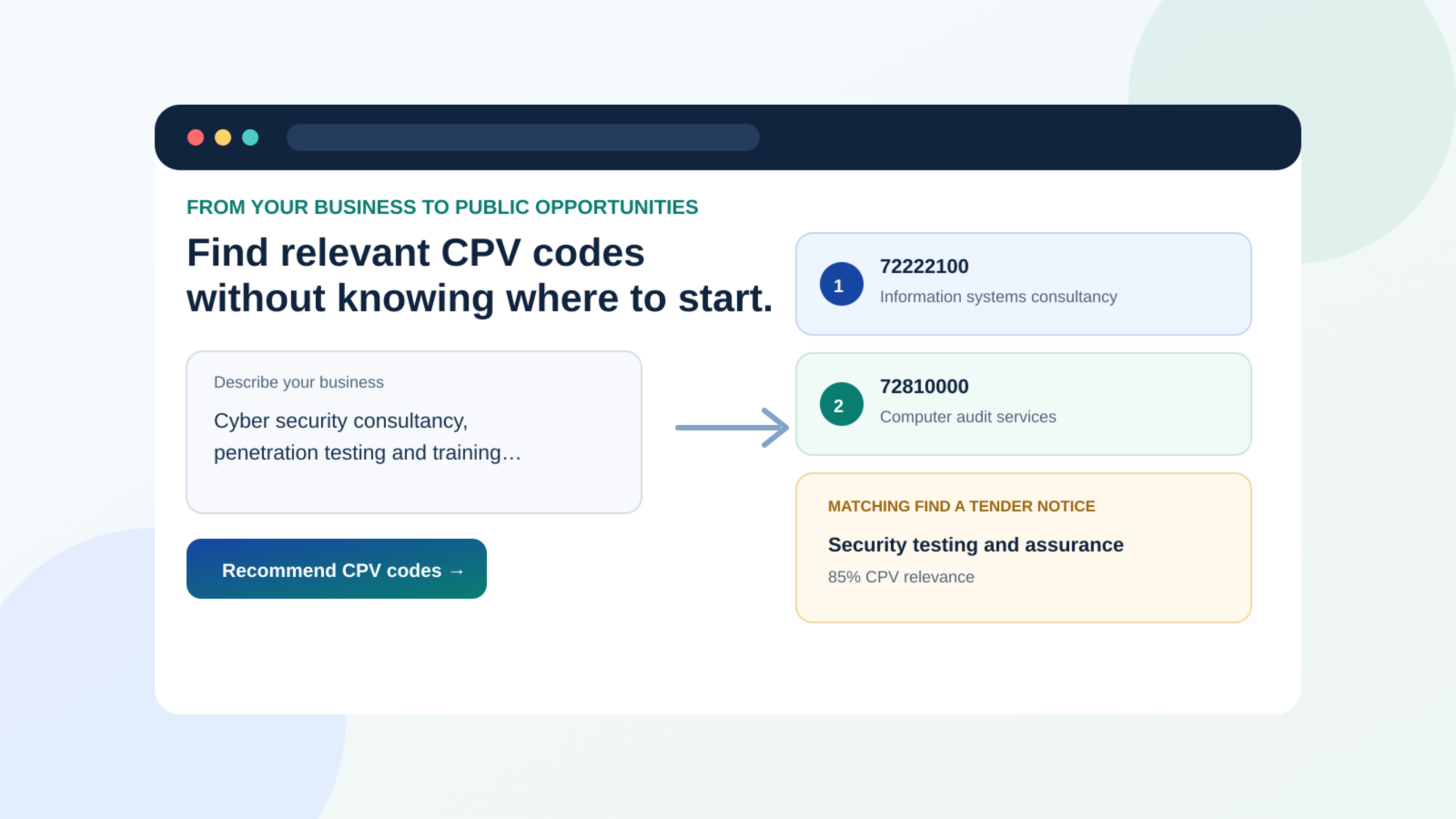
The UK public sector represents one of the country’s largest commercial markets, yet it is often presented to suppliers through classifications, notice structures…

The distribution of Personal Protective Equipment (PPE) in the United Kingdom during the COVID-19 pandemic, spanning from 2020 to 2023, marked a critical…
Artificial intelligence is transforming how organisations operate, but deploying AI successfully requires more than selecting a model or building an application. Businesses must also address AI governance, information security, data protection, regulatory compliance, operational risk and long-term accountability.
View the book