
Not All AI Is High Risk: Designing a Defensible Risk-Tiering Method
A practical method for classifying AI use cases by their real-world impact, with example tiers, escalation triggers and a worked public-service scenario.
Older snapshot — new data available after next cron refresh.
Indicative, from main CPV
2,110 coded · 81 unclassified
By OCDS release tag
Counts are notices, not contracts.
Seven rolling 24h windows · UTC
Left: earliest · right: most recent publication interval
Ranked by published notices
Window: 12 Nov 2026–19 Nov 2026 · Updated 20 Nov, 00:15 UTC
A practical method for classifying AI use cases by their real-world impact, with example tiers, escalation triggers and a worked public-service scenario.

Searching through a large procurement catalogue can be daunting – especially in the UK public sector where naming conventions vary widely. The NHS…

Data has become a cornerstone in almost every sector, and public procurement is no exception. In the UK, public procurement is heavily regulated,…

Introduction The National Health Service (NHS) is a cornerstone of the United Kingdom’s public sector, providing healthcare services to millions. As the NHS…
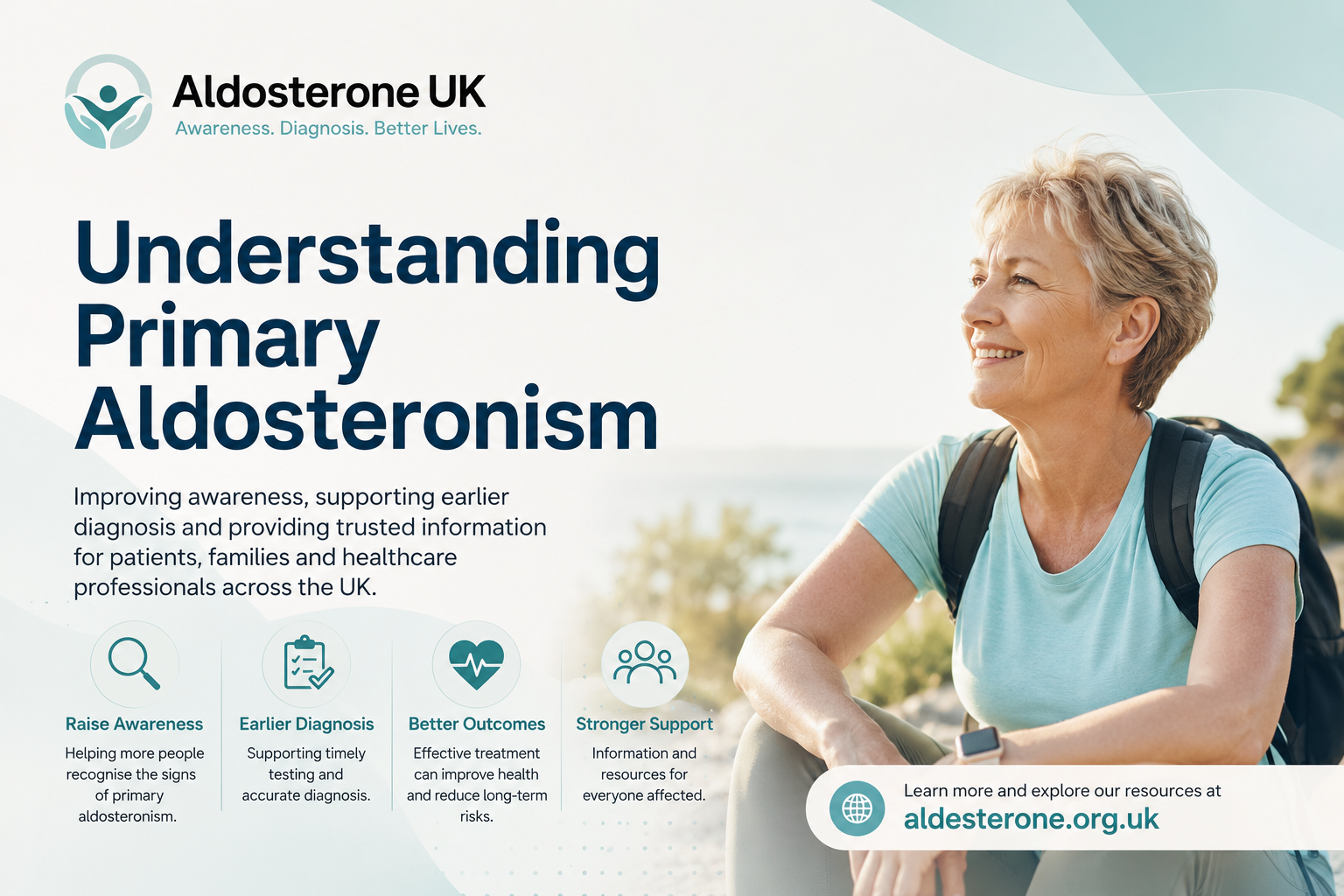
High blood pressure affects millions of people across the UK, but for some, it is a symptom of an underlying hormonal condition that…

The Fuller Stocktake Report, commissioned by NHS England, provides a comprehensive review of the current state of primary care integration within the UK’s…

NHS procurement is fraught with challenges ranging from complex regulatory frameworks and budget constraints to supply chain disruptions and technological limitations. The introduction…

The distribution of Personal Protective Equipment (PPE) in the United Kingdom during the COVID-19 pandemic, spanning from 2020 to 2023, marked a critical…

I’ve been experimenting with a small web game recently, although calling it a game is perhaps stretching the definition a little because there…
Artificial intelligence is transforming how organisations operate, but deploying AI successfully requires more than selecting a model or building an application. Businesses must also address AI governance, information security, data protection, regulatory compliance, operational risk and long-term accountability.
View the book