
PPN 017 and the AI-Written Tender: What Public Buyers Really Need to Know
What Procurement Policy Note 017 actually asks of central government buyers, and how to investigate AI use proportionately without confusing disclosure with disqualification.
Indicative, from main CPV
2,110 coded · 81 unclassified
By OCDS release tag
Counts are notices, not contracts.
Seven rolling 24h windows · UTC
Left: earliest · right: most recent publication interval
Ranked by published notices
Window: 12 Nov 2026–19 Nov 2026 · Updated 28 Nov, 12:15 UTC
What Procurement Policy Note 017 actually asks of central government buyers, and how to investigate AI use proportionately without confusing disclosure with disqualification.

Risk stratification has long been heralded as a promising approach in healthcare, aiming to identify patients at varying levels of risk for adverse…
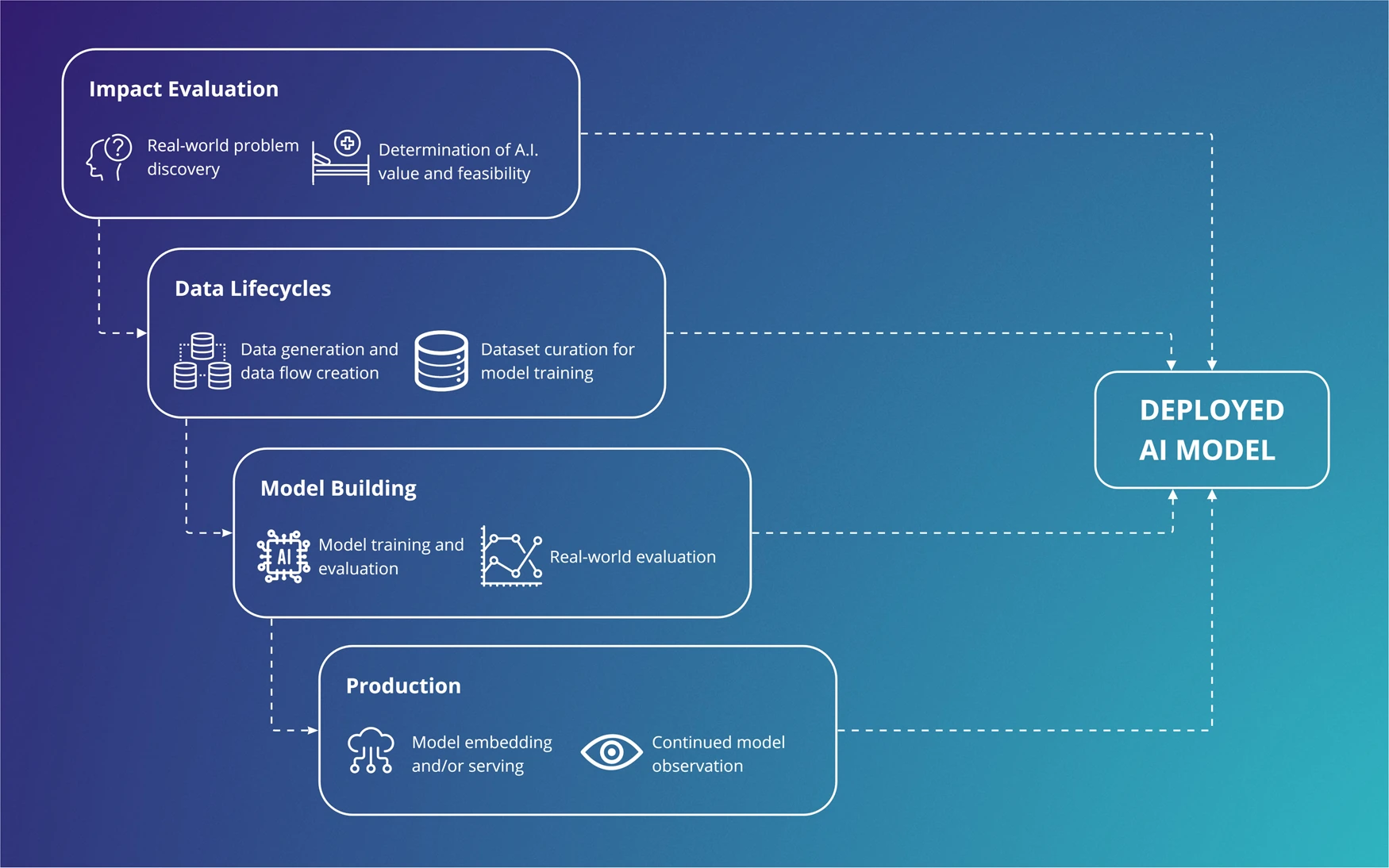
How public-sector teams can build evaluation sets, set release thresholds and test hallucination, retrieval, security and human review before using generative AI.
Vertically integrated artificial intelligence (AI) development model, which breaks down the traditional barriers between different supply chain components, aiming for a more streamlined…

I’ve been experimenting with a small web game recently, although calling it a game is perhaps stretching the definition a little because there…

The distribution of Personal Protective Equipment (PPE) in the United Kingdom during the COVID-19 pandemic, spanning from 2020 to 2023, marked a critical…

The Fuzzy Lookup Add-In for Excel performs fuzzy matching of textual data in Excel. Its a free excel plugin and is available to…

This post was originally posted on NOECPC website linked here. NOE CPC has been using technology and data to improve patient care for…

Introduction: The Challenge of Funding A&E Services Accident and Emergency (A&E) departments in the NHS are under constant pressure. Every year, millions of…
Artificial intelligence is transforming how organisations operate, but deploying AI successfully requires more than selecting a model or building an application. Businesses must also address AI governance, information security, data protection, regulatory compliance, operational risk and long-term accountability.
View the book