Introduction: The Importance of Inventory Management in NHS Trusts In the ever-evolving landscape of healthcare, managing resources efficiently is critical for delivering high-quality…
A technical operating guide for managing live AI systems, including logging, release control, model drift, incident response, rollback and safe retirement.
1. Introduction This report provides a comprehensive, data-driven analysis of the National Health Service (NHS) in England, examining its current operational performance, workforce…
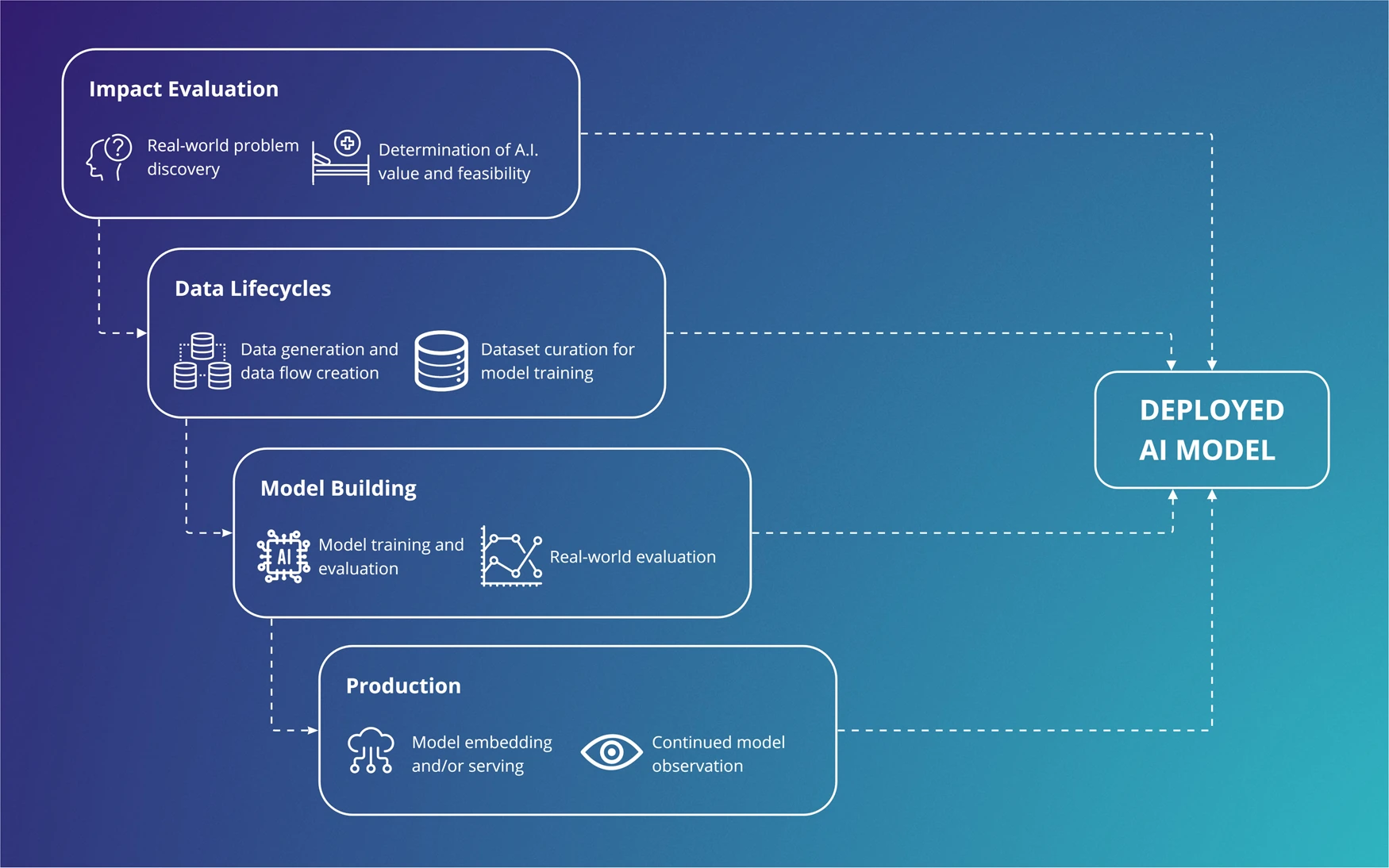
Vertically integrated artificial intelligence (AI) development model, which breaks down the traditional barriers between different supply chain components, aiming for a more streamlined…
Once an AI service is bought, the real governance work begins: managing model updates, data use, performance evidence, incident response and exit arrangements.
ISO/IEC 42001 can give public bodies structure, ownership and review routines for AI—but certification does not make a particular model automatically lawful or…
A practical blueprint for an AI management system, from its scope and decision rights to controlled evidence, management reviews and continuous improvement.
Artificial intelligence is transforming how organisations operate, but deploying AI successfully requires more than selecting a model or building an application. Businesses must also address AI governance, information security, data protection, regulatory compliance, operational risk and long-term accountability.