
PPN 017 and the AI-Written Tender: What Public Buyers Really Need to Know
What Procurement Policy Note 017 actually asks of central government buyers, and how to investigate AI use proportionately without confusing disclosure with disqualification.
Indicative, from main CPV
2,110 coded · 81 unclassified
By OCDS release tag
Counts are notices, not contracts.
Seven rolling 24h windows · UTC
Left: earliest · right: most recent publication interval
Ranked by published notices
Window: 12 Nov 2026–19 Nov 2026 · Updated 28 Nov, 12:15 UTC
What Procurement Policy Note 017 actually asks of central government buyers, and how to investigate AI use proportionately without confusing disclosure with disqualification.
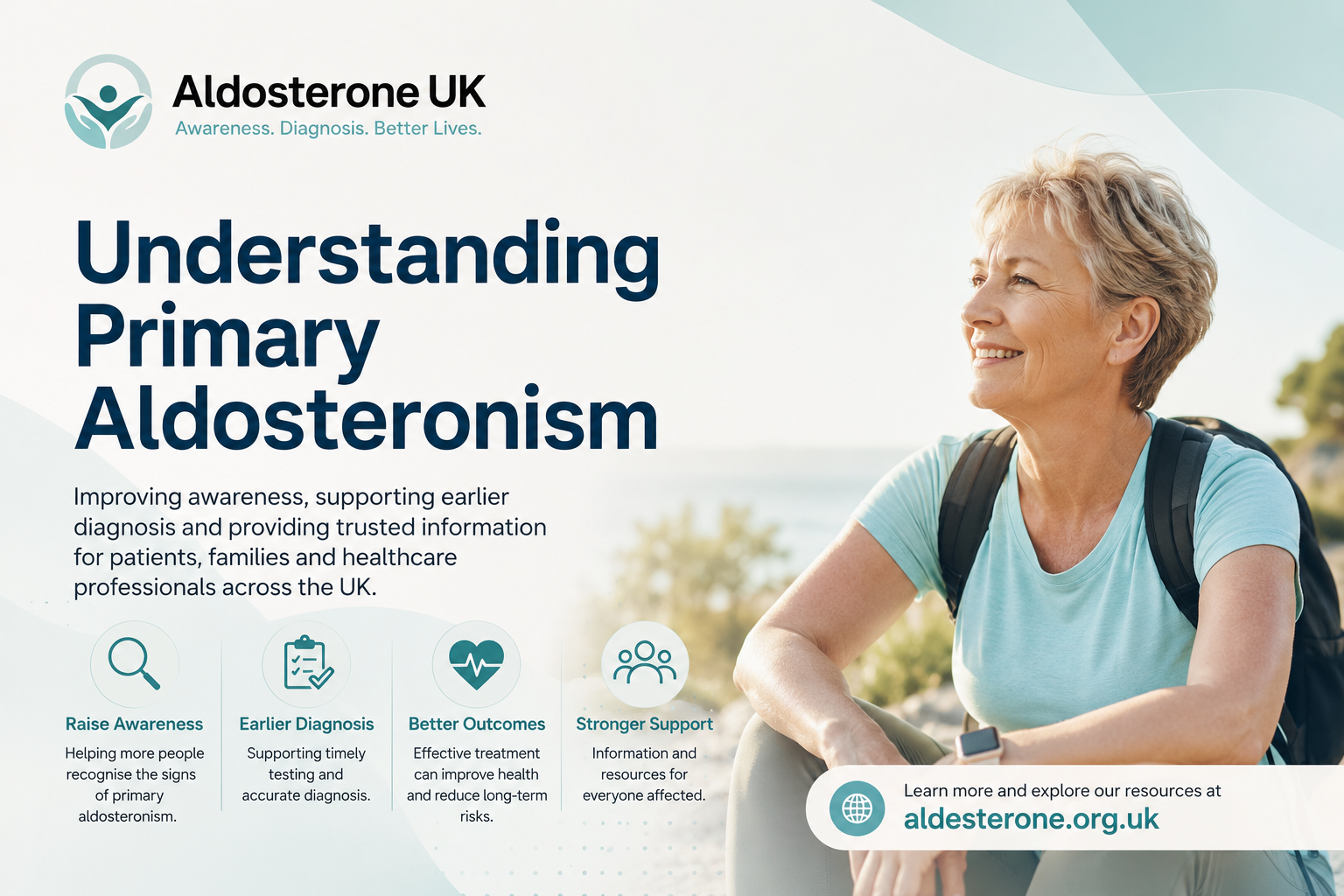
High blood pressure affects millions of people across the UK, but for some, it is a symptom of an underlying hormonal condition that…

This article analyses the key findings from the Institute for Government report titled Improving Accountability in Government Procurement, which explores the size and…

Risk stratification has long been heralded as a promising approach in healthcare, aiming to identify patients at varying levels of risk for adverse…

A practical method for classifying AI use cases by their real-world impact, with example tiers, escalation triggers and a worked public-service scenario.
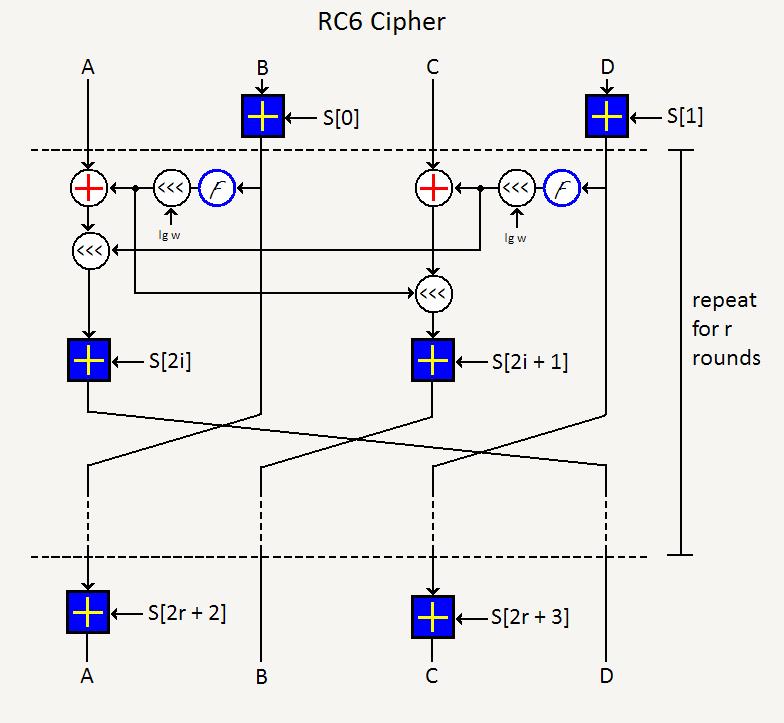
Cryptography, the science of securing communication and data from adversaries, has been an essential part of human history for millennia. In today’s digital…

As health data professionals, we face a unique set of challenges. Not only must we manage a sea of complex and sensitive data,…

Seven usable governance records and the fields each should contain, designed for public bodies that need control without creating a new bureaucracy.
Customer Relationship Management (CRM) tools have become indispensable for businesses in today’s competitive landscape. By streamlining interactions with customers, suppliers, and internal teams,…
Artificial intelligence is transforming how organisations operate, but deploying AI successfully requires more than selecting a model or building an application. Businesses must also address AI governance, information security, data protection, regulatory compliance, operational risk and long-term accountability.
View the book