
Not All AI Is High Risk: Designing a Defensible Risk-Tiering Method
A practical method for classifying AI use cases by their real-world impact, with example tiers, escalation triggers and a worked public-service scenario.
Indicative, from main CPV
2,110 coded · 81 unclassified
By OCDS release tag
Counts are notices, not contracts.
Seven rolling 24h windows · UTC
Left: earliest · right: most recent publication interval
Ranked by published notices
Window: 12 Nov 2026–19 Nov 2026 · Updated 28 Nov, 12:15 UTC
A practical method for classifying AI use cases by their real-world impact, with example tiers, escalation triggers and a worked public-service scenario.

AI security is not simply a password and a vendor contract. Public organisations need controls for untrusted content, data exposure, connected tools and…

Risk stratification has long been heralded as a promising approach in healthcare, aiming to identify patients at varying levels of risk for adverse…

The Algorithmic Transparency Recording Standard is more than a publication form. Used well, it helps people understand why an algorithm is there and…

AI use across NHS organisations is likely to be more widespread than many leaders realise. Staff are already experimenting with tools that can…

As the UK healthcare sector strives to reduce its environmental impact, sustainable procurement is emerging as a key area of focus. By making…
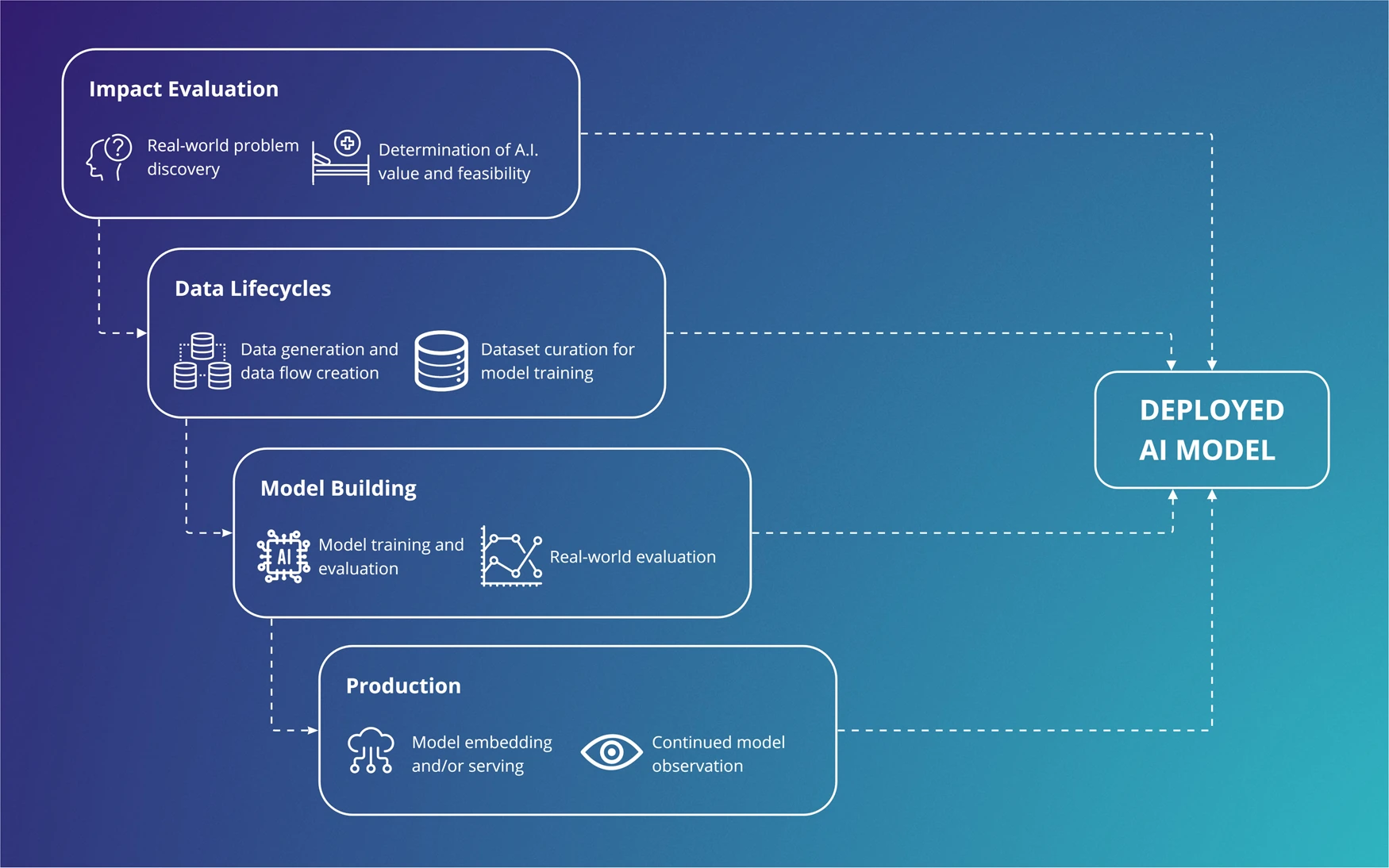
Vertically integrated artificial intelligence (AI) development model, which breaks down the traditional barriers between different supply chain components, aiming for a more streamlined…

Introduction: The Importance of Inventory Management in NHS Trusts In the ever-evolving landscape of healthcare, managing resources efficiently is critical for delivering high-quality…

As health data professionals, we face a unique set of challenges. Not only must we manage a sea of complex and sensitive data,…
Artificial intelligence is transforming how organisations operate, but deploying AI successfully requires more than selecting a model or building an application. Businesses must also address AI governance, information security, data protection, regulatory compliance, operational risk and long-term accountability.
View the book